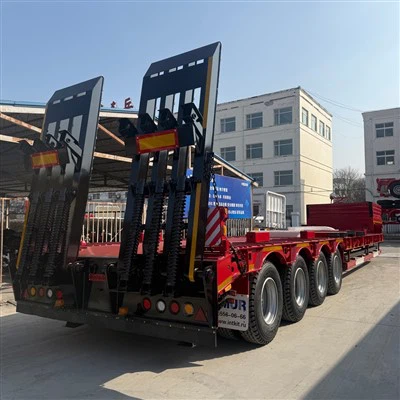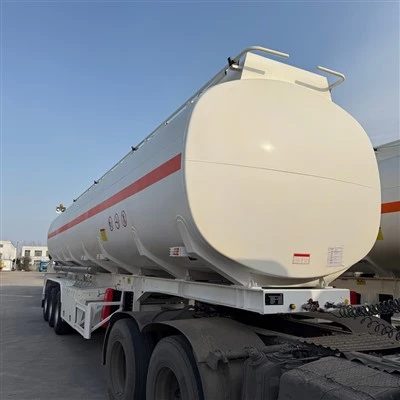

As a seasoned supplier of Transport Semi Trailers, I've witnessed firsthand the many advantages these vehicles offer in the transportation industry. However, like any piece of equipment, flatbed transport semi - trailers also come with their fair share of disadvantages. In this blog, I'll delve into some of the key drawbacks associated with flatbed transport semi - trailers.
Limited Protection for Cargo
One of the most significant disadvantages of flatbed transport semi - trailers is the limited protection they provide for cargo. Unlike enclosed trailers, flatbeds expose the load to the elements, such as rain, snow, and sunlight. This can lead to damage to sensitive or perishable goods. For example, electronic equipment can be damaged by moisture, and food products can spoil if exposed to extreme temperatures.
Moreover, flatbed trailers are more vulnerable to theft and vandalism. Since the cargo is visible and accessible, it becomes an easy target for thieves. Without the protection of an enclosed trailer, there are fewer barriers to prevent unauthorized access to the load.
Maneuverability Challenges
Flatbed transport semi - trailers are generally longer and wider than other types of trailers, which can make them more difficult to maneuver. This is especially true in tight spaces, such as narrow streets, parking lots, or loading docks. The long wheelbase and large turning radius of flatbeds require skilled drivers to navigate safely.
In addition, the lack of an enclosed structure can make the trailer more susceptible to wind resistance. Strong winds can push the trailer off course, making it challenging to maintain control, especially at high speeds. This not only increases the risk of accidents but also requires more fuel to overcome the wind resistance, leading to higher operating costs.
Loading and Unloading Complexity
Loading and unloading a flatbed transport semi - trailer can be a time - consuming and labor - intensive process. Unlike enclosed trailers that can use loading ramps or forklifts from the side or rear, flatbeds often require specialized equipment, such as cranes or winches, to load and unload heavy or oversized cargo.
The process of securing the cargo on a flatbed is also more complex. Since the load is not contained within an enclosed space, it needs to be properly tied down using straps, chains, or other securing devices to prevent it from shifting during transit. Incorrectly secured cargo can pose a significant safety risk, as it may fall off the trailer and cause accidents on the road.
Higher Maintenance Requirements
Flatbed transport semi - trailers are exposed to more wear and tear compared to enclosed trailers. The open design means that the trailer's frame, axles, and other components are constantly exposed to the elements, which can lead to corrosion and rust. Regular maintenance is essential to keep the trailer in good working condition, including frequent inspections, cleaning, and lubrication.
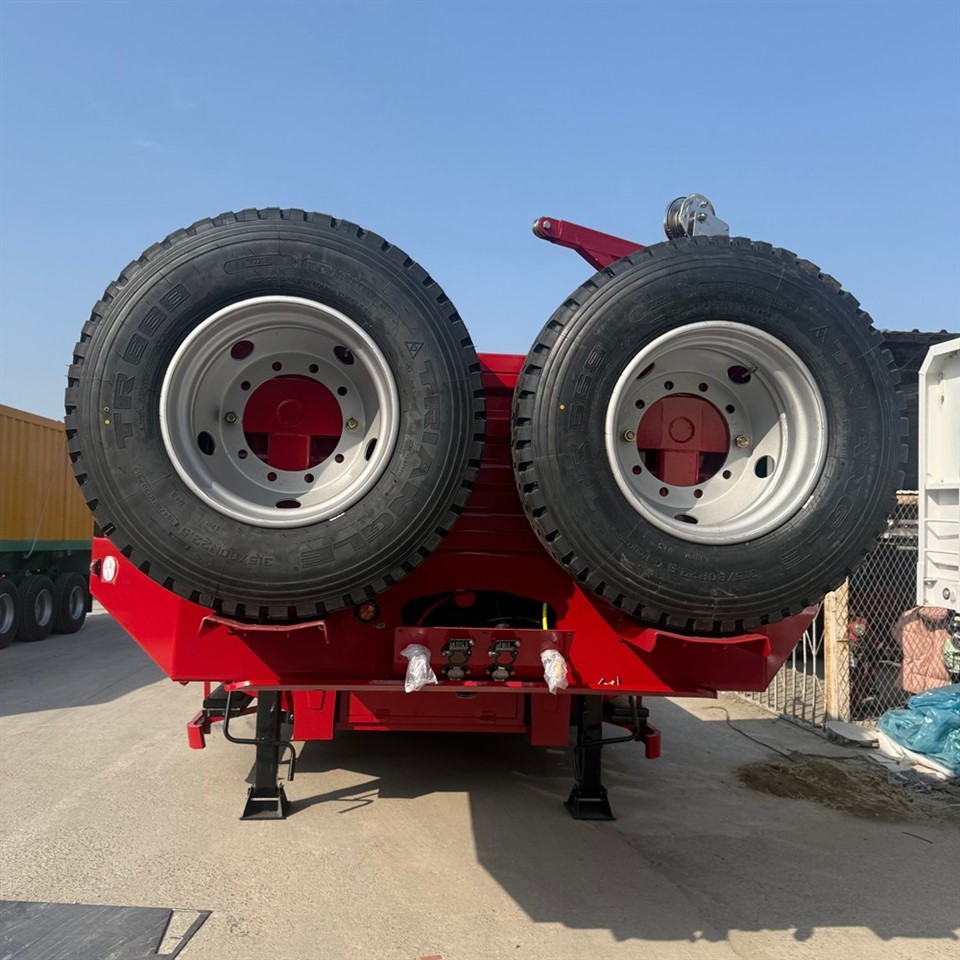
The tires on flatbed trailers also experience more stress due to the weight and distribution of the cargo. Uneven weight distribution can cause premature tire wear, leading to more frequent tire replacements. This not only adds to the maintenance costs but also increases the downtime of the trailer.
Regulatory and Permit Issues
Transporting certain types of cargo on a flatbed semi - trailer may require special permits. Oversized or overweight loads often need to comply with specific regulations regarding route planning, speed limits, and safety equipment. Obtaining these permits can be a time - consuming and costly process, involving paperwork, inspections, and fees.
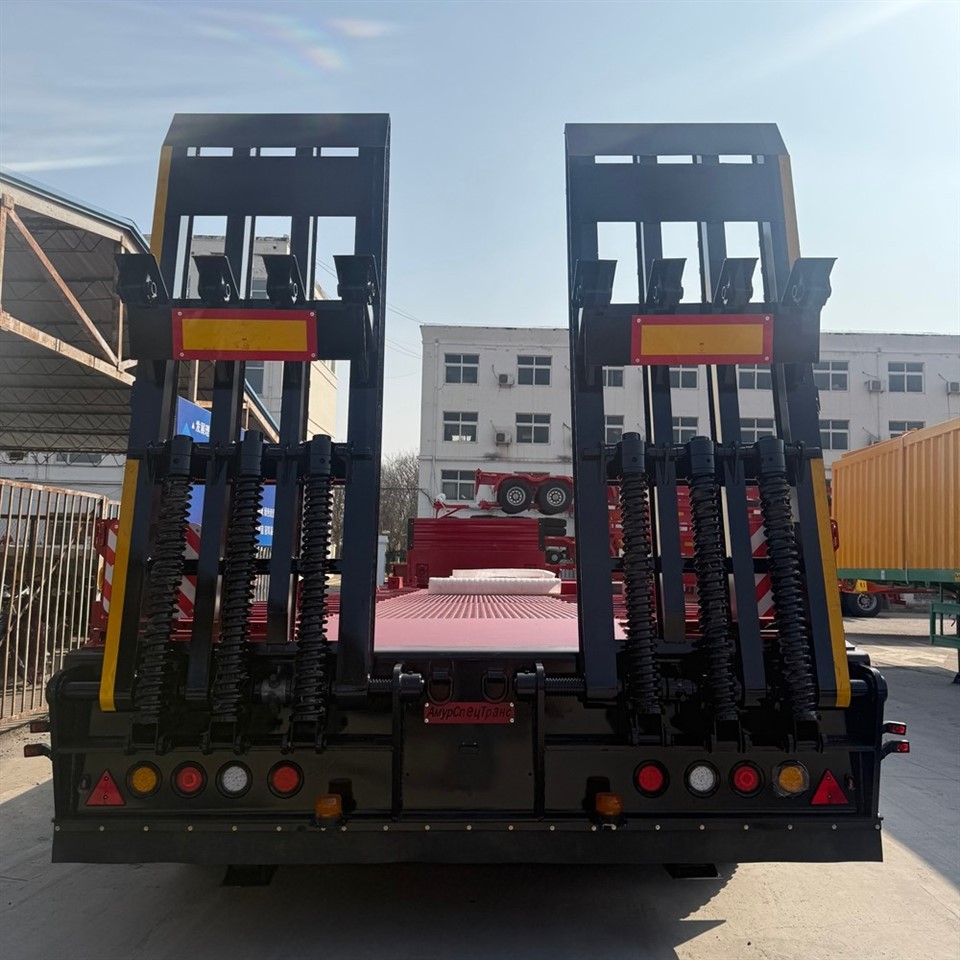
In addition, different states and countries may have varying regulations regarding flatbed trailers. This can make it challenging for carriers to operate across different regions, as they need to ensure compliance with multiple sets of rules.
Cost Considerations
Flatbed transport semi - trailers can be more expensive to purchase and operate compared to other types of trailers. The initial cost of a flatbed trailer is often higher due to its larger size and specialized design. In addition, the higher maintenance requirements and fuel consumption associated with flatbeds can lead to increased operating costs over time.
Insurance costs for flatbed trailers are also typically higher. Since the cargo is more exposed and vulnerable to damage and theft, insurance companies may charge higher premiums to cover the associated risks.
Despite these disadvantages, flatbed transport semi - trailers still play a crucial role in the transportation industry. They are ideal for transporting large, heavy, or oversized cargo that cannot be accommodated in enclosed trailers. At [our company], we offer a wide range of Transport Semi Trailer options, including Gooseneck Lowbed Trailer and Lowbed Semi Trailer, to meet the diverse needs of our customers.
If you're in the market for a flatbed transport semi - trailer or have any questions about our products, we encourage you to contact us for a detailed discussion. Our team of experts is ready to assist you in finding the right trailer for your specific requirements.
References
- "Transportation Engineering Handbook" by the Institute of Transportation Engineers
- "Commercial Vehicle Safety and Maintenance" by the Federal Motor Carrier Safety Administration