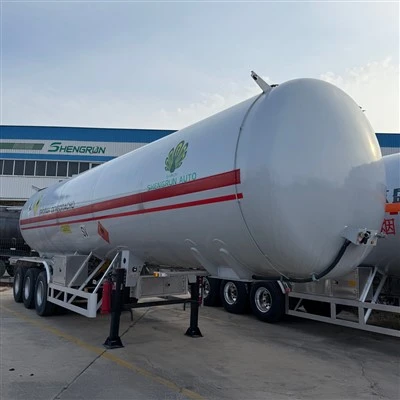

As a supplier of Oil Tank Trailers, I've had the privilege of witnessing the practical applications and challenges associated with these essential pieces of equipment. While oil tank trailers offer numerous advantages such as efficient transportation of large volumes of oil, they also come with several disadvantages that potential customers should be aware of.
1. High Initial Investment
One of the most significant drawbacks of an oil tank trailer is the high initial cost. These trailers are complex pieces of machinery, designed to meet strict safety and regulatory standards. The materials used in their construction, such as high - grade steel for the tank and advanced suspension systems, contribute to the high price tag. For small - scale businesses or new entrants in the oil transportation industry, this initial investment can be a significant barrier. A well - built oil tank trailer can cost anywhere from tens of thousands to hundreds of thousands of dollars, depending on its capacity, features, and the level of customization. This financial burden can strain a company's resources and may delay expansion plans or limit the ability to invest in other areas of the business.
2. Maintenance and Repair Costs
Oil tank trailers require regular and meticulous maintenance to ensure their safe and efficient operation. The tank itself needs to be inspected regularly for signs of corrosion, leaks, or structural damage. The valves, pumps, and hoses also need to be checked and replaced as needed. Additionally, the trailer's mechanical components, such as the axles, brakes, and suspension, must be maintained to prevent breakdowns on the road. These maintenance activities can be time - consuming and expensive. For example, if a major component like the pump fails, it may require specialized technicians and expensive replacement parts. Over time, the cumulative cost of maintenance and repair can be substantial, eating into the profit margins of the business.


3. Regulatory Compliance
The transportation of oil is subject to a wide range of strict regulations at both the national and international levels. Oil tank trailers must meet specific standards regarding construction, safety features, and environmental protection. For instance, they need to be equipped with proper spill prevention and containment systems. These regulations are in place to protect the environment and public safety, but they can be a headache for trailer owners. Complying with these regulations often requires additional investment in equipment and training. Failure to comply can result in hefty fines and legal consequences. Moreover, regulations can change over time, and trailer owners need to stay updated and make necessary modifications to their trailers to remain compliant.
4. Safety Risks
Oil is a highly flammable and potentially dangerous substance. Any accident involving an oil tank trailer can have severe consequences. A collision or roll - over can lead to oil spills, which not only cause environmental damage but also pose a significant fire and explosion risk. The risk of spills is further exacerbated by factors such as poor road conditions, driver fatigue, or mechanical failures. In addition, the process of loading and unloading oil requires strict safety protocols to prevent static electricity - induced fires. Despite all the safety measures in place, the potential for accidents remains, and the aftermath of such an incident can be catastrophic, including loss of life, property damage, and long - term environmental impact.
5. Limited Flexibility
Oil tank trailers are designed specifically for transporting oil, which means they have limited flexibility compared to other types of trailers. They cannot be easily converted to transport other types of goods. If a company's business needs change, for example, if they want to diversify their transportation services, they would need to invest in additional trailers. This lack of flexibility can be a disadvantage in a dynamic market where businesses need to adapt quickly to changing customer demands.
6. Environmental Impact
The transportation of oil by tank trailers has a significant environmental impact. Even small spills can contaminate soil and water sources, harming wildlife and ecosystems. In addition, the emissions from the trucks pulling the trailers contribute to air pollution. As the world becomes more environmentally conscious, there is increasing pressure on the oil transportation industry to reduce its environmental footprint. While some advancements have been made in developing more environmentally friendly trailers and transportation methods, the current oil tank trailer technology still has a long way to go in terms of minimizing its environmental impact.
7. Weight and Size Constraints
Oil tank trailers are large and heavy, which can pose challenges in terms of transportation and storage. They require a significant amount of space for parking and maneuvering. In some areas, there may be restrictions on the size and weight of vehicles on the roads, which can limit the routes that can be taken. This can result in longer travel times and increased fuel consumption. Moreover, the weight of the trailer and its contents can put additional stress on the vehicle's suspension, brakes, and tires, leading to more frequent maintenance and replacement.
8. Dependence on Oil Market
The demand for oil tank trailers is closely tied to the oil market. When the oil market experiences a downturn, the demand for oil transportation decreases, which can lead to a surplus of oil tank trailers. This can result in lower rental or selling prices for trailers, causing financial losses for trailer owners. On the other hand, during periods of high oil demand, there may be a shortage of trailers, but this can also be accompanied by increased competition and price volatility.
In conclusion, while oil tank trailers play a crucial role in the oil transportation industry, they are not without their disadvantages. As a supplier, I understand that potential customers need to carefully weigh these drawbacks against the benefits before making a purchasing decision. If you are considering investing in an Oil Tank Trailer, LPG Tank Semi Trailer, or LPG Tank Trailer, I encourage you to contact us to discuss your specific needs. We can provide you with detailed information and guidance to help you make an informed choice.
References
- American Petroleum Institute (API). Standards for oil tank trailer construction and safety.
- Department of Transportation (DOT). Regulations for the transportation of hazardous materials, including oil.
- Environmental Protection Agency (EPA). Guidelines for preventing and cleaning up oil spills.