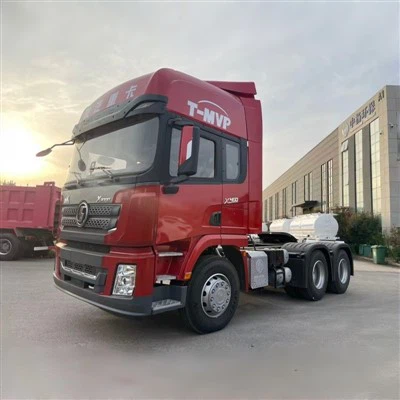
Refrigerated Trucks for Reliable Cold Chain Transportation
Refrigerated trucks are designed to transport temperature-sensitive goods while maintaining controlled cargo conditions throughout distribution. With insulated cargo bodies and active refrigeration systems, they support food logistics, pharmaceutical distribution, supermarket supply, and long-distance cold chain transportation.
Choose the right refrigerated truck based on your required temperature range, payload capacity, cargo volume, operating environment, and destination market.
-
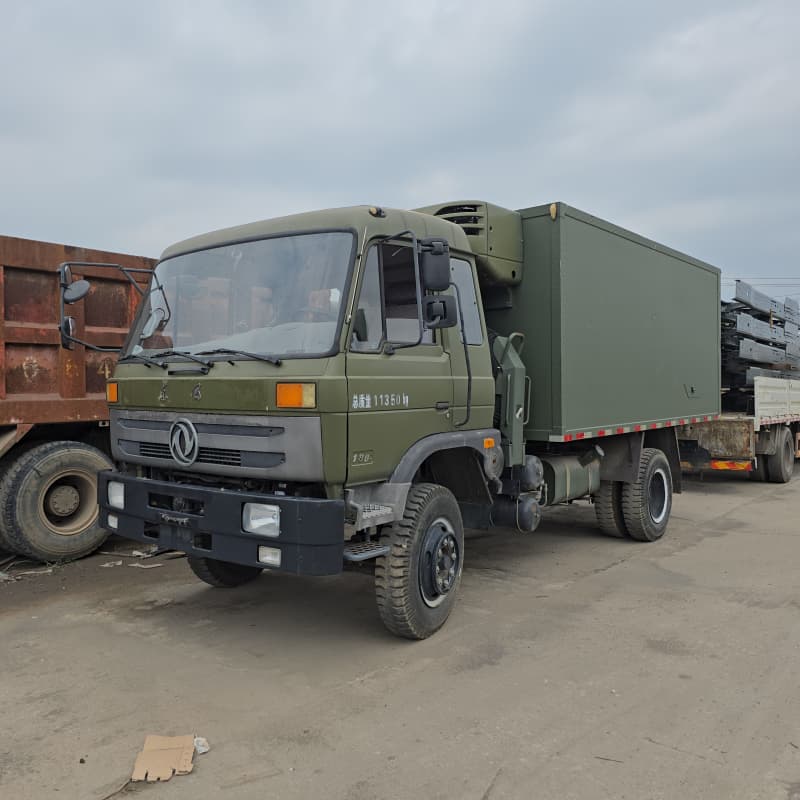
![4x2 Dongfeng Fridge Truck]() 4x2 Dongfeng Fridge TruckOverall Dimension (LxWxH): 7220 x 2460 x 3085 mmCurb Weight: 7,200 kgPayload Capacity: Approx. 4,000 kgTire Spec: 9.00-20 (Model: DS102)Drive Type: 4x2Temp Range: -18°C to +5°C

Applications & Temperature Requirements
Fresh and Chilled Goods
Suitable for fresh produce, dairy products, meat, seafood, flowers, and other temperature-sensitive goods. The required temperature depends on the specific cargo and applicable handling standards.
Frozen Food Transportation
Designed for frozen food, ice cream, and other deep-frozen products. High-performance insulation and appropriately sized refrigeration units help maintain stable cargo temperatures.
Urban Distribution & Long-Haul Transport
Available for supermarket deliveries, catering supply, regional distribution, and long-distance logistics, depending on vehicle configuration and refrigeration capacity.
Operating Conditions
Ambient temperature, delivery frequency, door-opening duration, cargo loading temperature, and daily mileage should be considered when selecting a refrigerated truck.
Refrigerated Truck Types & Technical Specifications
Different vehicle configurations support different payload requirements, delivery routes, and cargo volumes. Final specifications depend on the selected chassis, cargo body, refrigeration unit, and local regulations.
|
Technical Parameter |
Key Selection Considerations |
|
Vehicle Configuration |
Light-duty, medium-duty, or heavy-duty truck |
|
Drive Configuration |
4x2, 6x2, or 6x4, depending on application |
|
Cargo Body |
Insulated box with sealed doors and suitable flooring |
|
Temperature Range |
Chilled, frozen, or multi-temperature requirements |
|
Refrigeration System |
Cooling capacity matched to cargo and ambient conditions |
|
Payload Capacity |
Based on vehicle rating and local legal limits |
|
Cargo Volume |
Determined by internal body dimensions and loading requirements |
|
Optional Equipment |
Temperature monitoring, data logging, and multi-compartment systems |
Procurement Tip: Provide your target payload, cargo dimensions, temperature range, daily mileage, ambient operating temperature, and destination country to receive a suitable vehicle configuration.
Chassis and Mechanical Inspection
Check the engine, transmission, brakes, suspension, tires, chassis integrity, and maintenance records. For used vehicles, review available service history and operating condition.
Insulated Body Inspection
Inspect insulation panels, door seals, joints, flooring, drainage, and internal surfaces to identify potential heat leakage or structural damage.
Refrigeration Performance Testing
Verify cooling operation, temperature control, controller functions, and the ability to maintain the specified temperature under defined test conditions. Request documented inspection results where available.
Export Compliance Verification
Confirm applicable emission requirements, vehicle dimensions, axle loads, steering configuration, and registration rules. For applicable international transport operations, verify whether ATP certification is required and whether the specific vehicle and body are covered.
Pricing & Total Cost of Ownership
Vehicle and Equipment Costs
Request separate pricing for the chassis, insulated cargo body, refrigeration unit, and optional equipment to compare quotations accurately.
Shipping and Export Costs
Clarify inland transportation, export documentation, port handling, marine insurance, and shipping arrangements, including RoRo or container transport where suitable.
Operating and Maintenance Costs
Evaluate fuel consumption, refrigeration energy use, scheduled servicing, spare parts availability, and local technical support.
Quotation and Payment Terms
Request an itemized quotation stating the applicable Incoterms 2020 rule, named delivery location, payment terms, lead time, and quotation validity. Confirm whether duties, taxes, and destination charges are included.
Manufacturing, Inspection & Export Delivery
Requirement Confirmation
Confirm vehicle configuration, payload, cargo body dimensions, target temperature, refrigeration specifications, and destination market requirements.
Production and Assembly
Complete chassis preparation, insulated body installation, refrigeration system integration, and optional equipment installation according to the confirmed specification.
Quality Inspection
Inspect the completed vehicle and test the refrigeration system against agreed performance criteria. Document any required corrective actions before shipment.
Export Documentation and Shipping
Prepare the agreed commercial and shipping documents, arrange suitable transportation, and confirm delivery schedules and responsibilities before dispatch.
Frequently Asked Questions

Request a Refrigerated Truck Quotation
Looking for a refrigerated truck for food distribution, frozen cargo, or temperature-controlled logistics?
Share your operating requirements and destination details to receive a vehicle configuration proposal and an itemized export quotation tailored to your application.
Heavy Leading Company Limited is one of the most experienced refrigerated truck manufacturers and suppliers in China, featured by quality products and low price. Welcome to buy discount refrigerated truck in stock here and get pricelist from our factory. We also accept customized orders.
Used Fresh Food Refrigerated TruckPopular Products