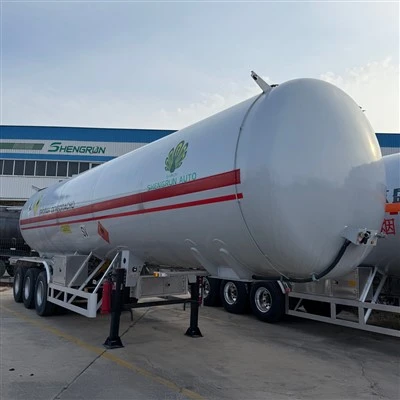

As a supplier of LPG Tank Trailers, I understand the critical importance of proper driver training. LPG (Liquefied Petroleum Gas) is a highly flammable and potentially dangerous substance, and transporting it requires a high level of skill, knowledge, and responsibility from the drivers. In this blog post, I will share some insights on how to train drivers for LPG tank trailers effectively.


1. Basic Knowledge Training
- LPG Properties and Hazards
- Drivers need to have a comprehensive understanding of the properties of LPG. LPG is a mixture of propane and butane, which is in a liquid state under pressure but vaporizes easily at normal atmospheric conditions. It is highly flammable, with a wide flammable range in the air. Training should cover the physical and chemical properties of LPG, such as its density, boiling point, and flammability limits.
- They must also be aware of the potential hazards associated with LPG transportation, including fire, explosion, and asphyxiation. For example, a small leak of LPG can quickly form a flammable vapor cloud, which can be ignited by a spark or an open flame.
- Trailer Components and Systems
- Familiarize drivers with the various components of the LPG tank trailer. This includes the tank itself, valves, hoses, and safety devices. Explain how each component works and its role in the safe operation of the trailer.
- For instance, the pressure relief valve is a crucial safety device that prevents the tank from over - pressurizing. Drivers should know how to check its functionality and what to do in case of a malfunction. They should also understand the different types of valves used for filling, discharging, and isolation, and how to operate them correctly.
2. Safety Procedures Training
- Pre - Trip Inspections
- Establish a detailed pre - trip inspection checklist for drivers. This should include checks on the trailer's tires, brakes, lights, and the integrity of the LPG tank and its associated components.
- Drivers should be trained to look for signs of damage, such as dents, cracks, or leaks in the tank and hoses. They should also check the pressure gauges and temperature sensors to ensure they are functioning properly. For example, a low tire pressure can affect the handling of the trailer and increase the risk of a blowout, while a leak in the tank can lead to a dangerous situation.
- Loading and Unloading Procedures
- Loading and unloading LPG is a high - risk operation. Drivers should be trained on the correct procedures for connecting and disconnecting hoses, opening and closing valves, and monitoring the process.
- They need to follow strict safety protocols to prevent spills and leaks. For example, before loading, they should ensure that the tank is at the correct pressure and temperature, and that the hoses are properly connected and secured. During the loading process, they should monitor the flow rate and the level of the LPG in the tank. Similarly, during unloading, they should follow the same safety procedures to ensure a safe transfer of the LPG.
- Emergency Response
- Develop an emergency response plan for drivers. This should include procedures for dealing with fires, leaks, and other emergencies.
- Drivers should be trained on how to use fire extinguishers, emergency shut - off valves, and other safety equipment. They should also know how to evacuate the area in case of a serious emergency and how to communicate with emergency responders. For example, in the event of a fire, they should first try to extinguish it using the appropriate fire extinguisher, but if the fire is out of control, they should immediately evacuate and call the fire department.
3. Driving Skills Training
- Vehicle Handling
- LPG tank trailers are large and heavy vehicles, which require special driving skills. Drivers should be trained on how to handle the trailer in different driving conditions, such as on highways, in urban areas, and on slopes.
- They need to understand the effects of the trailer's weight and size on braking, turning, and acceleration. For example, a fully loaded LPG tank trailer will have a longer stopping distance than a regular vehicle, so drivers need to leave more space between themselves and the vehicle in front. They should also be trained on how to make wide turns to avoid hitting curbs or other objects.
- Defensive Driving
- Teach drivers defensive driving techniques. This includes being aware of their surroundings, anticipating potential hazards, and maintaining a safe following distance.
- They should be trained to avoid distractions while driving, such as using mobile phones or eating. For example, if they see a vehicle approaching from the side, they should be prepared to take evasive action to avoid a collision. Defensive driving can significantly reduce the risk of accidents on the road.
4. Regulatory Compliance Training
- Local and International Regulations
- Keep drivers informed about the local and international regulations regarding LPG transportation. This includes regulations on vehicle safety, driver qualifications, and environmental protection.
- For example, in many countries, there are strict regulations on the maximum allowable weight of the trailer, the type of safety equipment required, and the training and certification of drivers. Drivers need to be aware of these regulations and ensure that they are in compliance at all times.
- Documentation and Record - Keeping
- Train drivers on the importance of proper documentation and record - keeping. They should be able to maintain accurate records of their trips, including loading and unloading times, vehicle inspections, and any incidents that occur during the journey.
- This documentation is not only required by law but also helps in ensuring the safety and traceability of the LPG transportation. For example, if there is an accident or a regulatory inspection, the driver can provide the necessary records to prove that they have followed the proper procedures.
5. Continuous Training and Evaluation
- Regular Refresher Courses
- Provide regular refresher courses for drivers to keep their knowledge and skills up - to - date. The LPG industry is constantly evolving, with new technologies and safety standards being introduced.
- Refresher courses can cover topics such as new regulations, updated safety procedures, and the latest developments in LPG tank trailer technology. For example, if there is a new type of pressure relief valve available, drivers should be trained on how to use it.
- Performance Evaluation
- Establish a performance evaluation system for drivers. This can include regular road tests, inspections of their pre - trip checklists, and reviews of their emergency response procedures.
- Provide feedback to drivers on their performance and identify areas for improvement. For example, if a driver has a poor record of pre - trip inspections, they can be given additional training to improve their skills in this area.
In addition to LPG Tank Trailers, we also offer Cement Tanker Trailer and Oil Tank Trailer for different transportation needs. Our trailers are designed with the highest safety standards and are built to last.
If you are interested in purchasing our LPG Tank Trailers or other tank trailers, or if you have any questions about driver training or trailer safety, please feel free to contact us for further discussion and procurement negotiation. We are committed to providing you with the best products and services to meet your transportation requirements.
References
- Department of Transportation (DOT). Hazardous Materials Regulations.
- International Maritime Organization (IMO). International Code for the Safe Carriage of Liquefied Gases in Bulk (IGC Code).
- National Fire Protection Association (NFPA). NFPA 58: Liquefied Petroleum Gas Code.