
As a supplier of used wheel loaders, I often encounter inquiries from customers about the condition of the tires on these machines. Tires are a critical component of a wheel loader, as they directly affect the machine's performance, safety, and overall cost of operation. In this blog post, I'll delve into the various factors that determine the condition of tires in a used wheel loader and provide insights to help you make an informed purchasing decision.
Understanding the Importance of Tire Condition
The tires on a wheel loader are subjected to extreme conditions, including heavy loads, rough terrain, and constant wear and tear. A well-maintained set of tires can significantly enhance the loader's traction, stability, and maneuverability, while worn or damaged tires can lead to reduced performance, increased fuel consumption, and even safety hazards. Therefore, assessing the condition of the tires is an essential part of evaluating a used wheel loader.
Factors Affecting Tire Condition
Usage and Application
The type of work a wheel loader has been used for plays a significant role in determining the condition of its tires. Loaders used in mining, quarrying, or construction sites with rough and abrasive surfaces will experience more wear on their tires compared to those used in lighter applications such as landscaping or material handling in a warehouse. For example, a Used SDLG Loader that has been working in a gravel pit will likely have more worn tires than one used for moving pallets in a distribution center.
Maintenance History
Regular maintenance is crucial for extending the lifespan of tires. A well-maintained wheel loader will have its tires inspected, rotated, and inflated to the recommended pressure at regular intervals. On the other hand, a machine with a poor maintenance history may have tires that are under-inflated, over-inflated, or have not been rotated, leading to uneven wear and premature tire failure. When considering a used wheel loader, it's important to ask for the maintenance records to get an idea of how well the tires have been cared for.


Age of the Tires
The age of the tires is another important factor to consider. Even if a tire has low hours of use, it can still deteriorate over time due to exposure to the elements, such as sunlight, heat, and moisture. Tires that are more than five years old may have dry rot or other age-related issues, which can compromise their structural integrity and safety. It's recommended to check the manufacturing date of the tires, which is usually indicated by a four-digit code on the sidewall.
Tire Tread Depth
Tire tread depth is a key indicator of the tire's remaining useful life. The tread provides traction and helps to channel water away from the tire surface, reducing the risk of hydroplaning. As the tread wears down, the tire's performance and safety are compromised. Most wheel loader tires have tread depth indicators, which are small bars located in the grooves of the tire. When the tread depth reaches these indicators, it's time to replace the tires. A general rule of thumb is that tires should have at least 10% of their original tread depth remaining for safe operation.
Sidewall Damage
In addition to tread wear, it's important to inspect the sidewalls of the tires for damage. Sidewall damage can be caused by impacts, cuts, or punctures, and can weaken the tire's structure, leading to blowouts or other failures. Look for signs of cracking, bulges, or cuts on the sidewalls, and avoid purchasing a used wheel loader with tires that have significant sidewall damage.
Assessing Tire Condition in a Used Wheel Loader
When evaluating a used wheel loader, there are several steps you can take to assess the condition of the tires:
Visual Inspection
Start by conducting a visual inspection of the tires. Look for signs of uneven wear, such as excessive wear on one side of the tire or in the center. Check the tread depth using a tread depth gauge, and compare it to the manufacturer's recommendations. Inspect the sidewalls for damage, and look for any signs of bulges or cracks.
Test Drive
If possible, take the wheel loader for a test drive to evaluate the performance of the tires. Pay attention to how the machine handles, and look for any signs of vibration or pulling to one side. A test drive can also help you identify any issues with the tire's traction or stability.
Consult a Professional
If you're not sure how to assess the condition of the tires, or if you have any concerns about their safety, it's a good idea to consult a professional tire technician. They can provide a more detailed inspection and give you an expert opinion on the condition of the tires.
Making an Informed Decision
When purchasing a used wheel loader, the condition of the tires should be one of your top considerations. A machine with good-quality tires will not only perform better but also save you money in the long run by reducing the need for frequent tire replacements. However, it's important to balance the cost of the loader with the condition of the tires. A loader with new or nearly new tires may be more expensive, but it could also provide better value over time.
As a supplier of Used Wheel Loader, I'm committed to providing my customers with accurate information about the condition of the machines I sell. I always conduct a thorough inspection of the tires and other components before offering a used wheel loader for sale. If you're in the market for a used wheel loader, I encourage you to contact me to discuss your specific needs and to learn more about the condition of the tires on the machines I have available.
Example Case: XCMG Wheel Loader LW500F
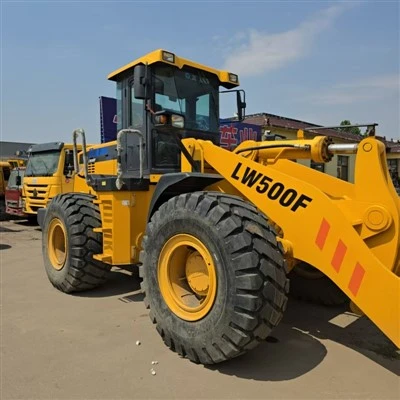
Let's take a look at an example of a used wheel loader, the XCMG Wheel Loader LW500F. This popular model is known for its reliability and performance. When evaluating a used LW500F, you should pay close attention to the condition of the tires. If the loader has been used in a demanding application, such as mining or heavy construction, the tires may show signs of significant wear. On the other hand, if it has been used in a lighter application, the tires may be in better condition.
By considering the factors discussed in this blog post, you can make an informed decision about whether the tires on a used XCMG Wheel Loader LW500F are suitable for your needs. If you have any questions or need further information, don't hesitate to reach out.
Conclusion
In conclusion, the condition of the tires in a used wheel loader is a critical factor that can affect the machine's performance, safety, and cost of operation. By understanding the factors that influence tire condition, conducting a thorough inspection, and consulting with a professional if necessary, you can make an informed decision when purchasing a used wheel loader. As a supplier, I'm here to help you find the right machine for your needs and to provide you with all the information you need to make a confident purchase. If you're interested in learning more about our used wheel loaders or have any questions about tire condition, please don't hesitate to contact me for a detailed discussion and to start the purchasing process.
References
- "Tire Maintenance and Safety Guide" by the Tire Industry Association.
- "Wheel Loader Operation and Maintenance Manuals" by various manufacturers.