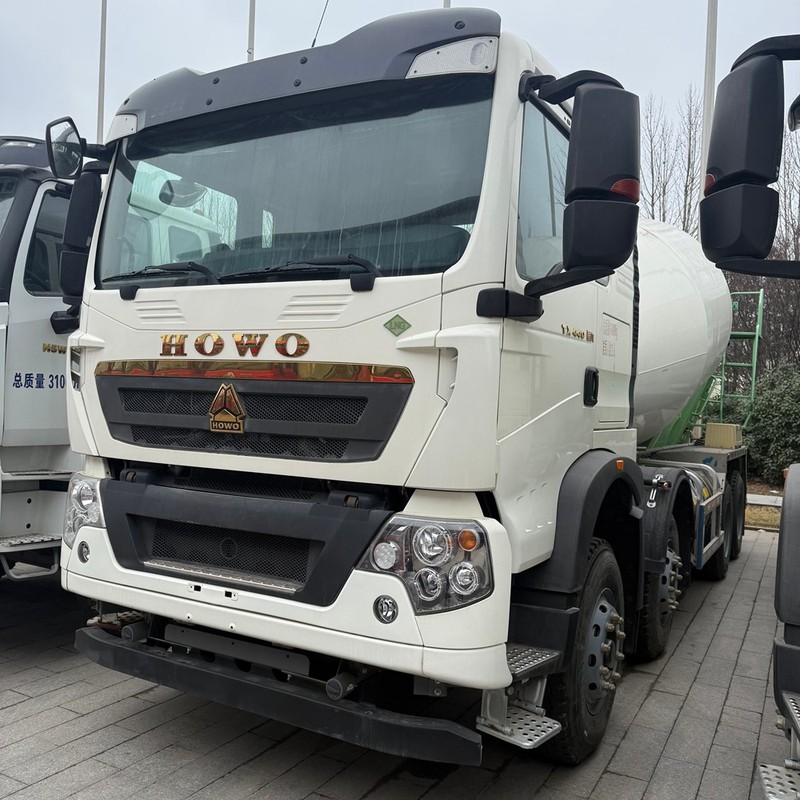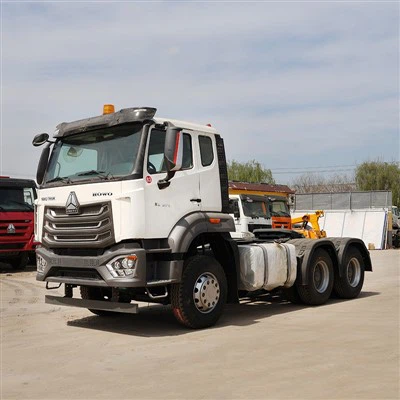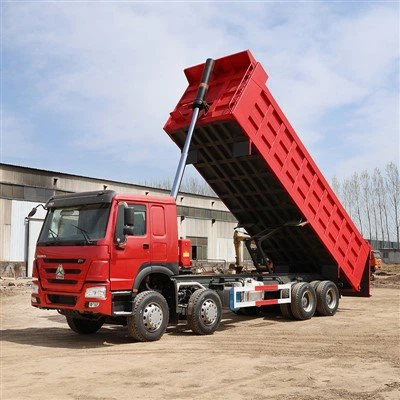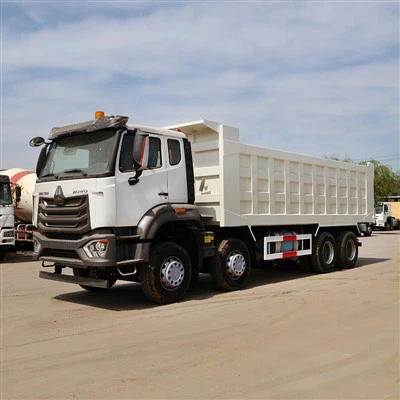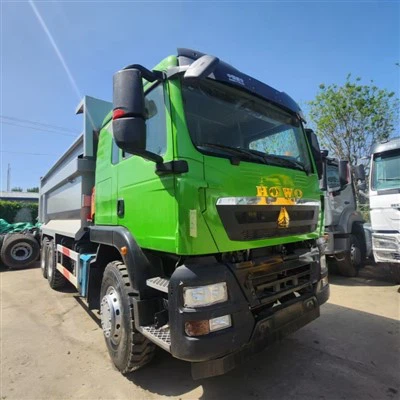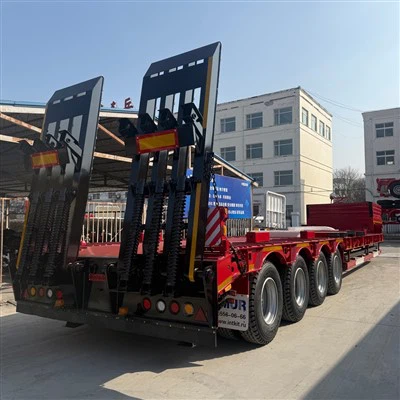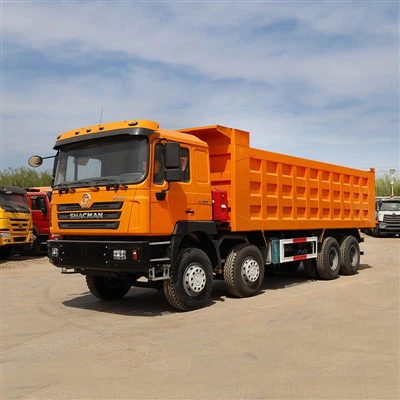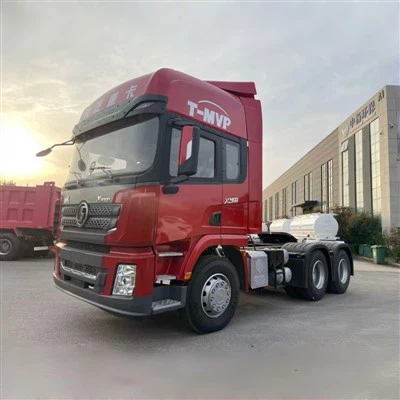
As a highly efficient mode of transport, the semi-trailer possesses numerous distinct advantages that have led to its widespread adoption in cargo logistics. Foremost among these advantages is its exceptional payload capacity. Thanks to its unique design-in which the trailer unit connects to the tractor unit via a fifth-wheel coupling-the tractor bears a relatively lighter load, while the trailer carries the bulk of the cargo. This structural configuration not only significantly increases the volume of goods transported but also enables the semi-trailer to maintain superior stability and safety when hauling bulk commodities or heavy machinery, making it the preferred choice for long-haul and heavy-duty transport operations.
The flexibility and ease of operation inherent in semi-trailers are also advantages that cannot be overlooked. The specific method of coupling the trailer to the tractor unit renders the vehicle relatively agile when making turns or executing U-turns; this is particularly beneficial on narrow urban streets or in complex traffic environments, where the semi-trailer can execute turning maneuvers with comparative ease. Furthermore, as the trailer unit does not require an independent propulsion system, semi-trailers offer significant operational convenience during parking, loading, and unloading procedures; the trailer can be quickly detached from the tractor unit, thereby facilitating efficient cargo transfer.
The economic efficiency and longevity of semi-trailers make them an ideal choice for numerous transport companies and independent cargo owners. Characterized by a simple structural design, ease of maintenance and repair, and a long service life, semi-trailers effectively reduce long-term operational costs. In scenarios involving high freight demand and extensive transport routes, semi-trailers-leveraging their outstanding payload capacity and low operating expenses-empower transport companies to enhance their overall logistical efficiency and profitability.