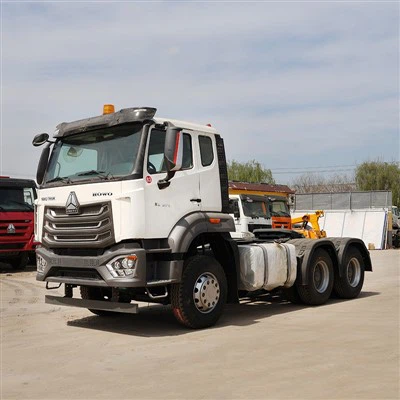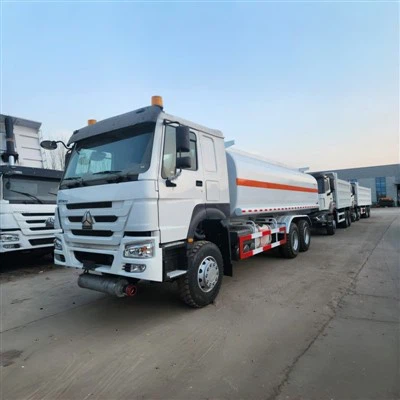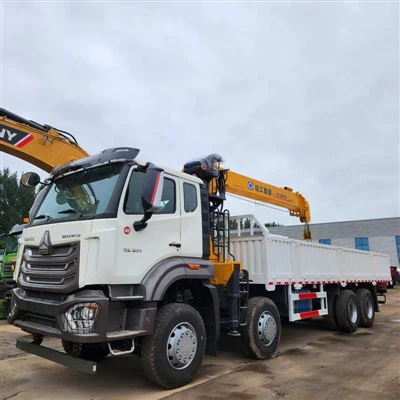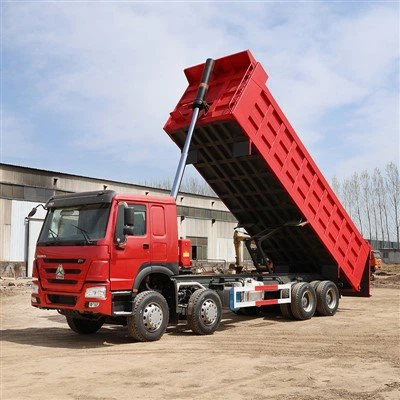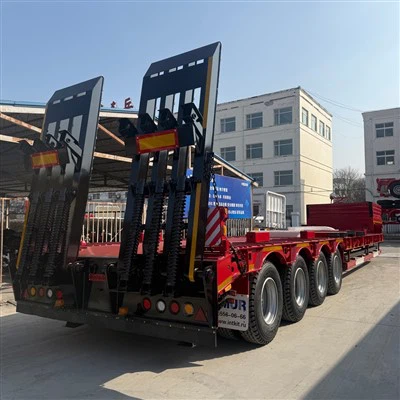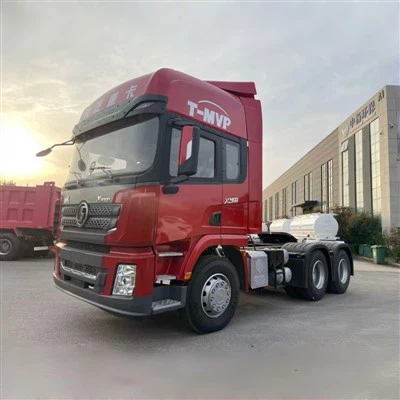
The history of the semi-trailer dates back to the early 20th century; as the automotive industry evolved, the demand for cargo transport gradually increased. The earliest semi-trailers were towed by horse-drawn carriages or steam locomotives and were utilized to transport heavier loads. In that era, although transport vehicles relied primarily on horses or steam engines for power, traditional single-unit vehicles were often unable to meet the demands of long-distance transport due to the sheer weight and volume of the cargo. Consequently, a design emerged that separated the cargo-carrying unit from the towing mechanism; this innovation allowed vehicles to carry larger loads and enhanced transport efficiency, marking the genesis of the semi-trailer.
With breakthroughs in internal combustion engine technology, modern trucks gradually began to displace horse-drawn carriages and steam locomotives, becoming the dominant mode of transport. During this period, the design of the semi-trailer underwent further refinement. Thanks to improvements in truck powertrain systems and towing capacity, the structural integrity of the trailer component became more robust and efficient. The design of the semi-trailer not only enabled it to carry heavier loads but also-through its connection to the tractor unit-enhanced the vehicle's overall maneuverability and stability. This design allowed the semi-trailer to gradually secure a pivotal position in commercial transport, becoming an indispensable tool for long-distance cargo shipping.
As road networks expanded and the logistics industry flourished, the scope of semi-trailer applications continued to broaden. Particularly in North America and Europe, semi-trailers emerged as the primary workhorse for inter-city and cross-border transport. Driven by continuous technological advancements, every aspect of the semi-trailer-including its structural design, materials, and load-bearing capacity-has undergone significant improvement. Today, semi-trailers not only retain their central role in conventional cargo transport but are also widely deployed in specialized sectors-such as refrigerated transport, container shipping, and the transport of hazardous materials-thereby evolving into an integral and vital component of the modern logistics and transportation ecosystem.