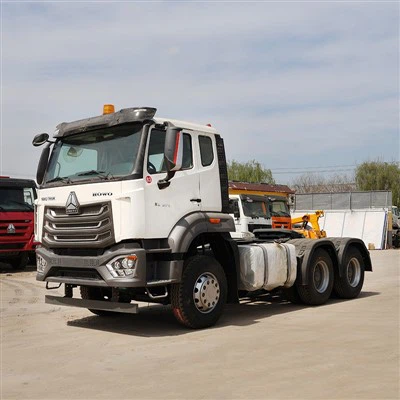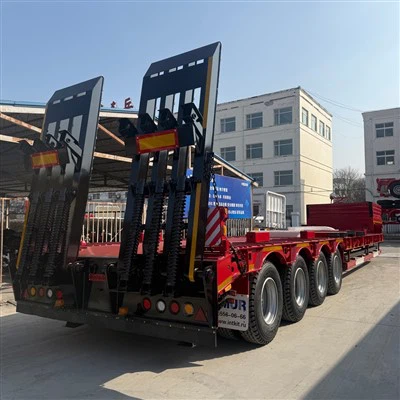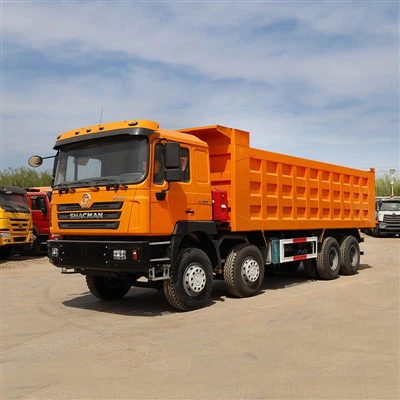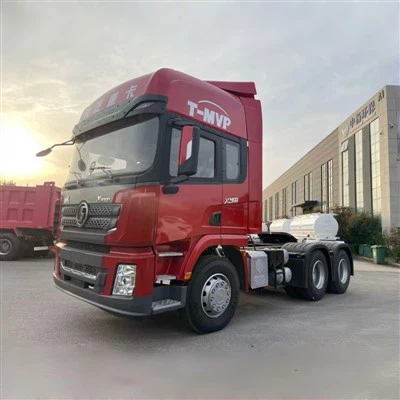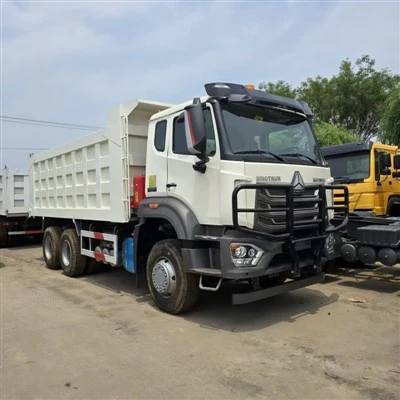
The installation requirements for "reverse-mounted suspension" on semi-trailers refer to a specialized installation method within the vehicle's suspension system, wherein suspension components (such as leaf springs, air bags, etc.) are installed in a reversed orientation.
This installation method is typically employed for specific operating conditions or to meet special requirements-for instance, to enhance the vehicle's load-carrying capacity, improve driving stability, or adapt to unique road surface conditions. The following outlines the specific requirements and key considerations for installing reverse-mounted suspension on semi-trailers:
Suspension System Selection: Reverse mounting is typically applicable to leaf spring suspension systems; prior to installation, it is essential to verify that the model and specifications of the suspension components are suitable for reverse configuration. Certain air suspension systems can also achieve similar effects through adjustments to their installation method.
Installation Steps
Removal of Original Suspension: First, park the vehicle on level ground. Use specialized tools to remove the original suspension components, taking care to record the installation position and sequence of each part.
Reverse Installation of Components: Install the leaf springs or other suspension components in the reversed orientation, ensuring that the mounting bolts and pins are installed in the correct direction.
Suspension Height Adjustment: Following the reverse installation, the suspension height must be remeasured and adjusted to ensure that the height on both the left and right sides of the vehicle is consistent, with a permissible deviation of no more than 5 mm.
Fastening and Inspection: All bolts must be tightened to the torque values specified by the manufacturer. A comprehensive inspection must then be conducted to ensure that no components are loose or missing.
Key Considerations
Load-Carrying Capacity: Reverse-mounted suspension may alter the vehicle's load distribution; therefore, axle loads must be recalculated to ensure they do not exceed the vehicle's design limits.
Driving Stability: Following the reverse installation, road testing is required to assess the vehicle's driving stability under both unloaded and fully loaded conditions, paying particular attention to performance during cornering and braking.
Maintenance Intervals: The wear patterns of reverse-mounted suspension components may differ from those of standard installations; consequently, inspection intervals should be shortened (a check every 5,000 kilometers is recommended).
Applicable Scenarios: Reverse-mounted suspension is well-suited for heavy-duty transport, mining operations, and other harsh road environments, as it enhances the suspension system's resistance to impact forces. However, it should be used with caution during high-speed or long-distance transport, as it may potentially compromise ride comfort and tire longevity. Regulatory Requirements: Following installation, the vehicle must comply with local vehicle safety regulations; where necessary, it must be reported to the relevant authorities or undergo inspection.