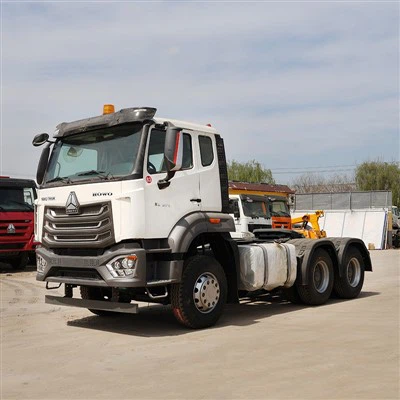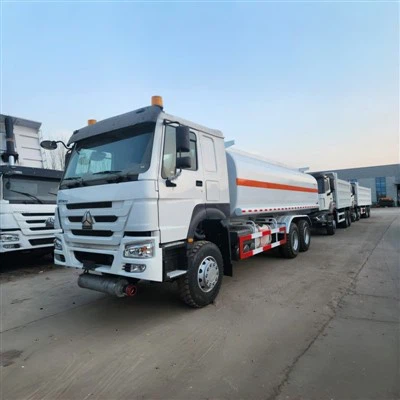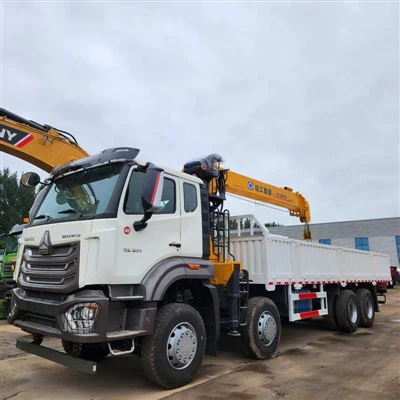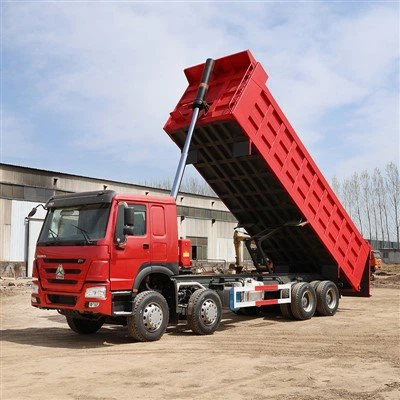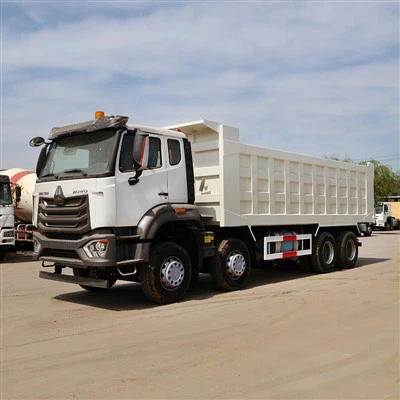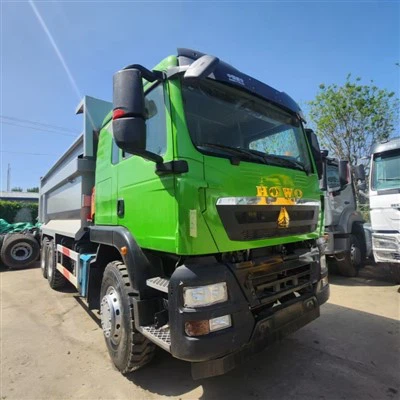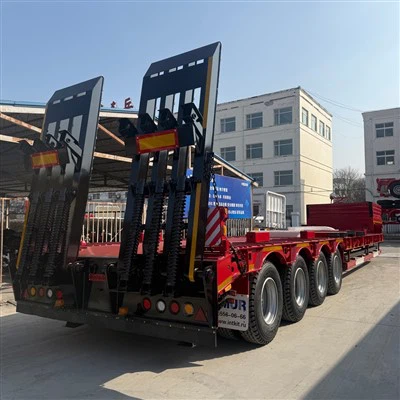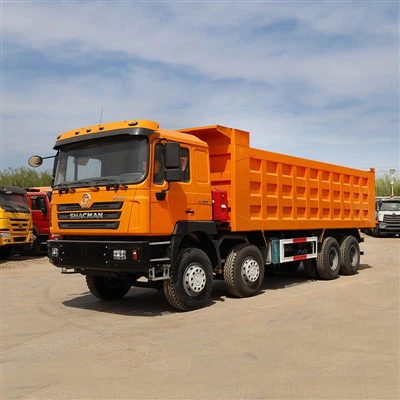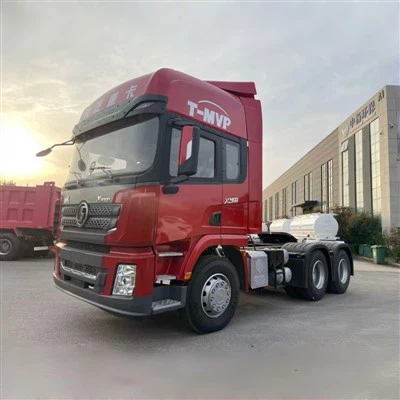
As a critical asset in road freight transport, the operational safety of used trucks directly impacts the safety of life and property for all road users, as well as the overall efficiency of logistics operations. The major assembly components constitute the core load-bearing and functional systems of a semi-trailer; consequently, the integrity of their technical condition serves as a foundational cornerstone of safety that cannot be overlooked. Subjected to prolonged heavy-load operations, complex road conditions, and various environmental factors, critical assemblies-such as axles, suspension systems, brakes, fifth wheels, and running gear-inevitably suffer from fatigue damage, wear, deformation, and performance degradation. In the absence of systematic, professional inspections, latent mechanical failures or performance deterioration can easily trigger catastrophic consequences while the vehicle is in motion-such as brake failure, axle fracture, or wheel detachment-thereby posing a grave threat to road traffic safety.
Conducting regular and standardized inspections of the major assemblies in used trucks is not merely a mandatory requirement stipulated by laws and regulations; it is, more importantly, an essential technical measure for accident prevention, operational assurance, and the extension of vehicle service life. This inspection process is widely applied across various critical scenarios-including quality control during vehicle manufacturing, periodic annual inspections, post-repair quality verification, and technical assessments of accident-involved vehicles-serving as a vital technical link in maintaining the safe and efficient operation of the entire road freight transport system.