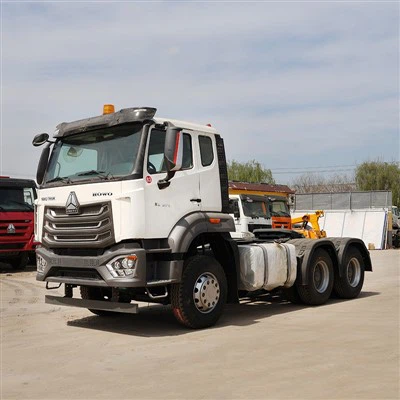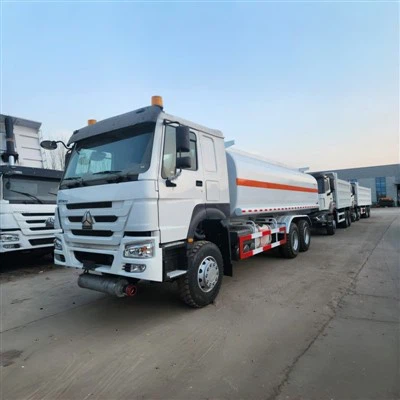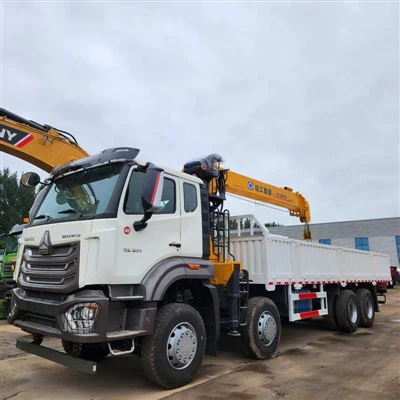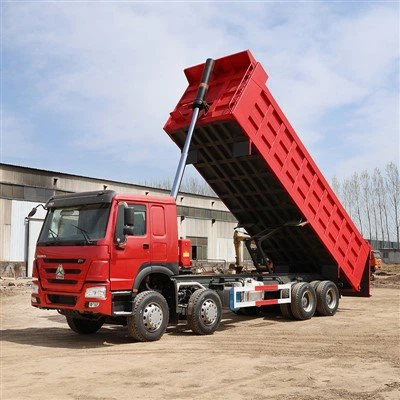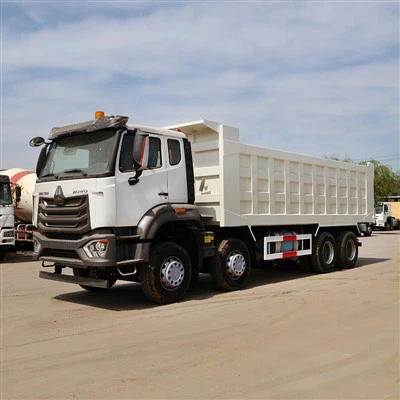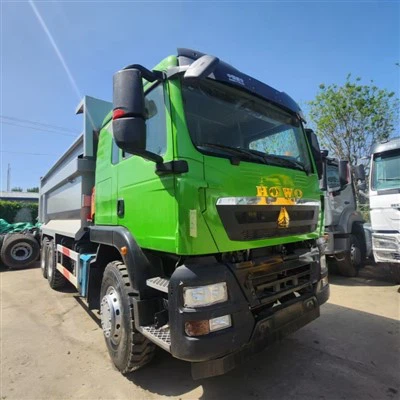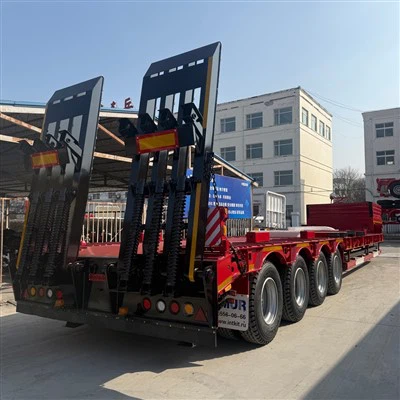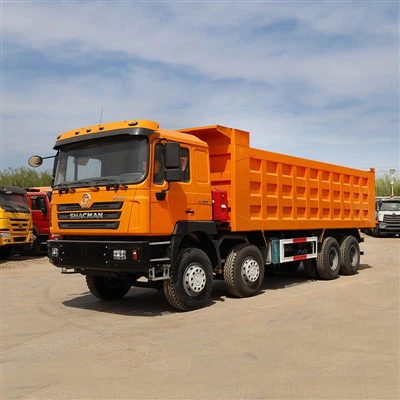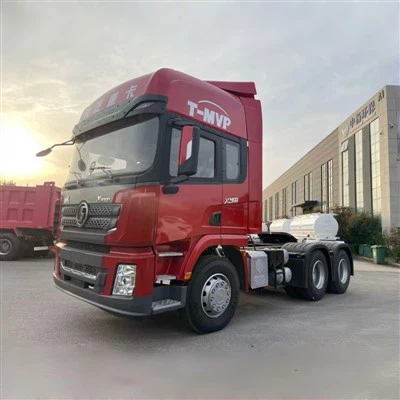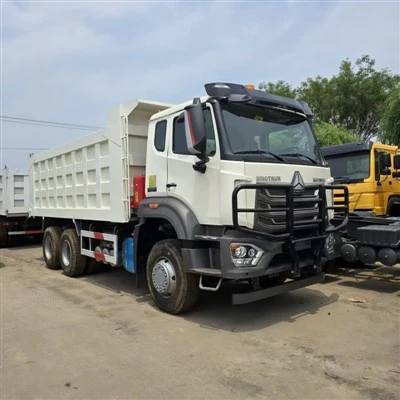
The primary raw materials used in the production of semi-trailers include steel, aluminum alloys, composite materials, and various auxiliary materials. Steel is the most widely utilized material in semi-trailer manufacturing; it is predominantly used for frames, suspension systems, and load-bearing structures due to its high strength, excellent toughness, and relatively low cost. Aluminum alloys are extensively applied to vehicle bodies and specific structural components; their lightweight properties significantly reduce the vehicle's curb weight, thereby enhancing cargo-carrying efficiency. Composite materials-such as Glass Fiber Reinforced Plastic (GFRP)-are employed in the body panels of certain high-end semi-trailers, offering advantages such as corrosion resistance and light weight. Furthermore, auxiliary materials-including rubber, plastics, and electronic components-play vital roles in the semi-trailer production process.
From a technical perspective, the selection of production materials for semi-trailers requires a comprehensive assessment of strength, weight, cost, and durability. For instance, vehicle frames typically utilize High-Strength Low-Alloy (HSLA) steel, which boasts a yield strength exceeding 500 MPa; conversely, aluminum alloys possess a density that is merely one-third that of steel, enabling effective vehicle weight reduction. The application of composite materials is particularly prevalent in scenarios demanding high levels of corrosion resistance and lightweight design-such as in tankers designed for transporting chemical liquids.