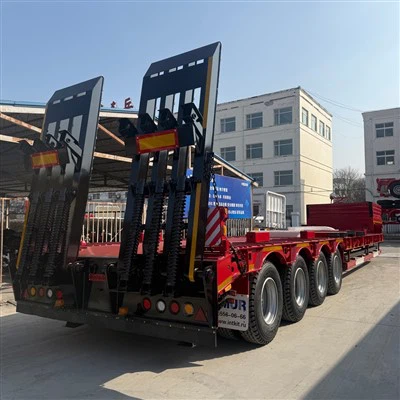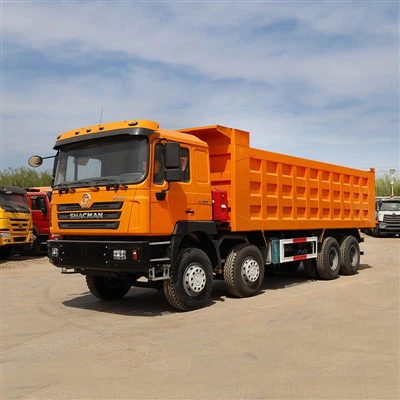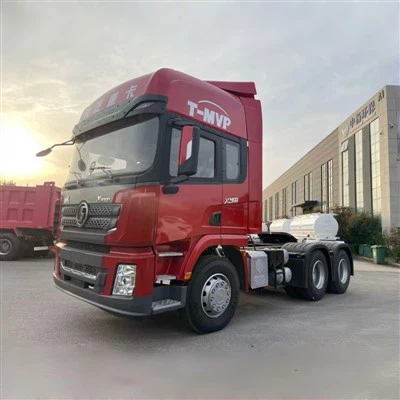
Visual Inspection Method: Directly observe the semi-trailer's exterior, component connections, and other aspects with the naked eye to check for any obvious signs of damage, deformation, looseness, or other issues.
Measurement Tool Method: Utilize measuring instruments-such as straight rulers, tape measures, and calipers-to measure key dimensional parameters of the semi-trailer (e.g., cargo box dimensions, wheelbase, track width) to ensure compliance with design specifications.
Ultrasonic Testing Method: Employ an ultrasonic flaw detector to inspect the interior of components-such as the semi-trailer's frame and welded joints-for the presence of internal defects, such as cracks or voids.
Magnetic Particle Testing Method: For components made of ferromagnetic materials (e.g., axles, hooks), use magnetic particle inspection equipment to detect surface and near-surface defects, such as cracks.
Hydraulic Testing Method: For hydraulic braking or suspension systems, conduct pressure testing to verify the system's sealing integrity and ensure that operating pressures are within normal parameters.
Weighing Inspection Method: Position the semi-trailer on a weighbridge to measure its empty and fully loaded weights; verify that the total load falls within the prescribed limits and that the axle load distribution is balanced.
Brake Testing Method: Conduct tests on a specialized brake test stand to measure parameters such as braking distance, braking force, and braking stability, thereby evaluating the semi-trailer's overall braking performance.
Electrical Inspection Method: Use tools such as multimeters and test lights to check the semi-trailer's electrical system for circuit continuity, voltage levels, resistance values, and other parameters, ensuring that all electrical components are functioning correctly.
Tire Inspection Method: Use a tire pressure gauge to measure air pressure and a tread depth gauge to measure tread depth; additionally, perform a visual inspection to assess the degree of tire wear and check for any signs of damage.
Vibration Testing Method: Simulate the vibration conditions the semi-trailer would experience under various road surfaces to verify the tightness of components and the structural stability of the vehicle, thereby identifying any potential hidden fault risks.