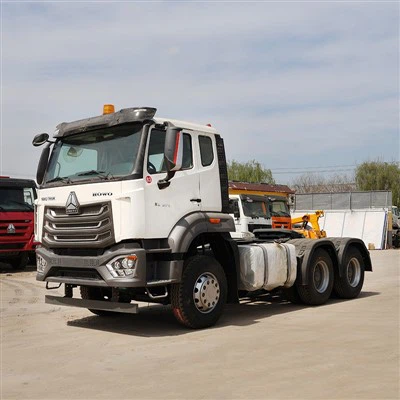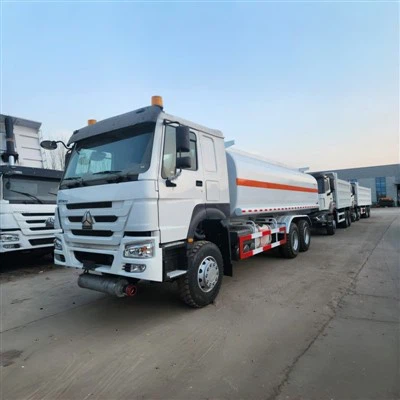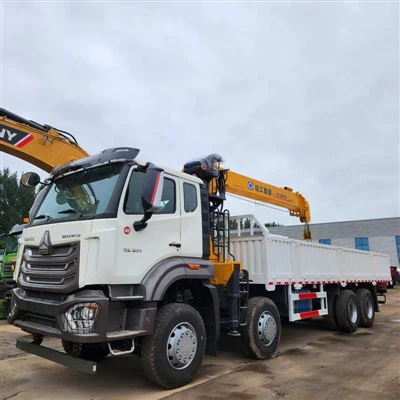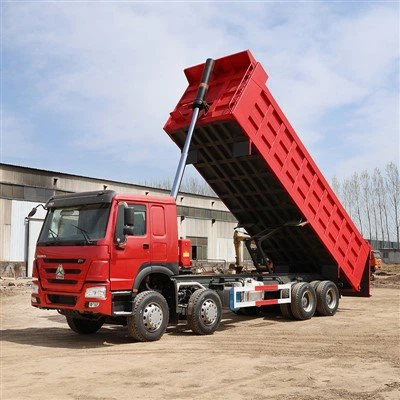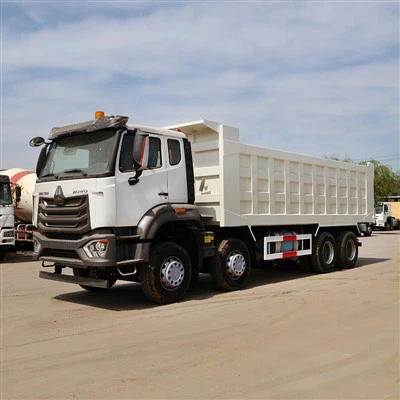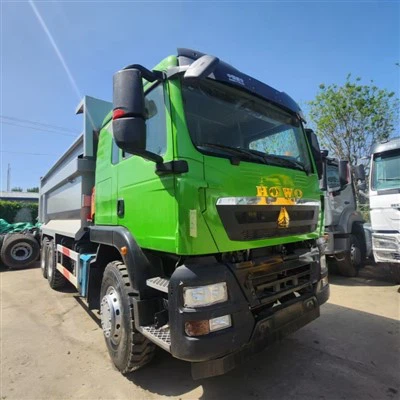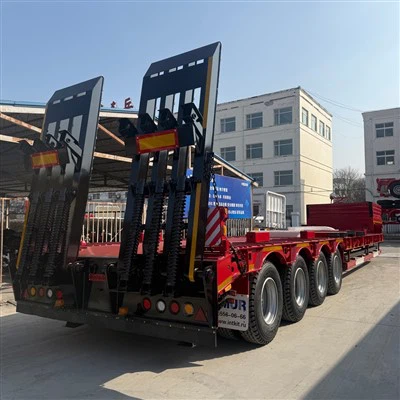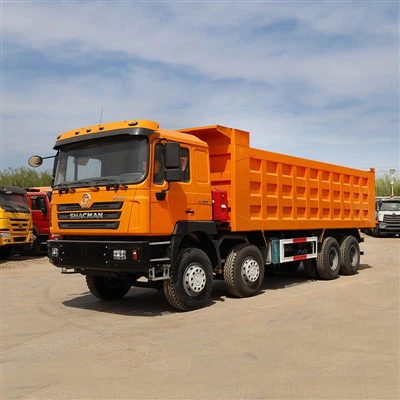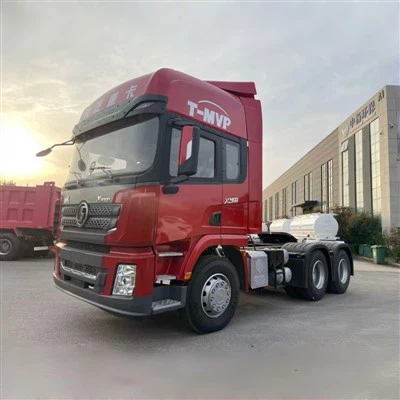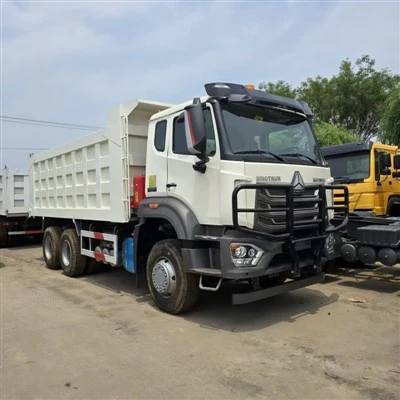
Semi-Trailer Dimensions and Load Capacity Parameters: The dimensions and load-carrying capacity of a semi-trailer are pivotal to transportation efficiency. A common 40-foot container semi-trailer typically has an overall length of up to 13 meters and a width of 2.5 meters; its height can be adjusted to approximately 4 meters, depending on the type of cargo being transported. In terms of load capacity, a three-axle semi-trailer can typically carry 30 to 40 tons of cargo, while a four-axle model can accommodate over 50 tons. These parameters directly influence transportation costs and route selection-for instance, mountainous roads often impose strict limits on axle loads, and exceeding these limits can result in fines or damage to the road infrastructure.
Suspension Systems and Stability Technology: The suspension system serves as the "invisible guardian" of a semi-trailer. Air suspension utilizes airbags to automatically adjust vehicle height and maintain body balance, making it particularly well-suited for transporting precision instruments or fragile goods. Conversely, leaf spring suspension is renowned for its structural simplicity and low cost, and is commonly found in standard freight vehicles. Modern semi-trailers are also equipped with Electronic Stability Control (ESC) systems; upon detecting a risk of lateral roll, these systems automatically adjust braking force to prevent the vehicle from tipping over.
Powertrain and Fuel Economy: A semi-trailer's powertrain-comprising the engine, transmission, and axles-directly impacts fuel consumption. By utilizing a smaller-displacement, high-output engine (such as a 460-horsepower unit) paired with a direct-drive transmission and a rear axle with a 3.7 gear ratio, the vehicle can maintain an engine speed of approximately 1,300 RPM while traveling at 90 km/h, thereby achieving "economic cruising."