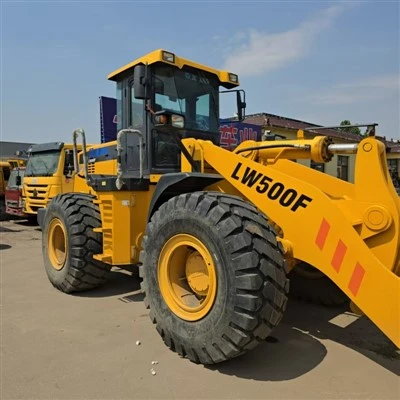

As a used truck supplier, I understand the importance of ensuring the quality and safety of the vehicles we offer. One crucial aspect of this is checking the tires of used trucks. Tires are the only point of contact between the truck and the road, and their condition can significantly impact the vehicle's performance, fuel efficiency, and safety. In this blog post, I'll share some essential steps and tips on how to check the tires of a used truck.
Visual Inspection
The first step in checking a used truck's tires is a thorough visual inspection. Start by walking around the truck and examining each tire carefully. Look for any signs of damage, such as cuts, punctures, bulges, or cracks. These can indicate serious problems that may compromise the tire's integrity and safety.
Pay special attention to the tread depth. Tires with low tread depth are more prone to hydroplaning, especially in wet conditions, and have reduced traction. You can use a tread depth gauge to measure the tread depth accurately. In most regions, the legal minimum tread depth is 2/32 of an inch, but for optimal safety, it's recommended to replace tires when the tread depth reaches 4/32 of an inch.
Also, check the sidewalls of the tires for any signs of wear, such as scuff marks or uneven wear patterns. Uneven wear can be a sign of alignment or suspension problems, which should be addressed before purchasing the truck.
Tire Pressure
Proper tire pressure is essential for the safety and performance of a truck. Underinflated tires can cause increased fuel consumption, poor handling, and premature tire wear, while overinflated tires can lead to a harsh ride and reduced traction.
Use a tire pressure gauge to check the pressure of each tire. Refer to the truck's owner's manual or the tire placard located on the driver's side door jamb for the recommended tire pressure. Make sure to check the pressure when the tires are cold, as the pressure can increase when the tires are hot.
If the tire pressure is too low, add air until it reaches the recommended level. If it's too high, release some air. It's a good idea to check the tire pressure regularly, at least once a month, to ensure optimal performance.


Tread Wear Patterns
Examining the tread wear patterns can provide valuable information about the truck's alignment, suspension, and driving habits. Here are some common tread wear patterns and what they may indicate:
- Center wear: This occurs when the center of the tire is worn more than the edges. It's usually a sign of overinflation. Check the tire pressure and adjust it to the recommended level.
- Edge wear: When the edges of the tire are worn more than the center, it may be due to underinflation. Check the tire pressure and add air if necessary.
- Cupping or scalloping: This appears as a series of small, uneven wear spots on the tire's surface. It can be caused by worn suspension components, improper wheel alignment, or unbalanced tires. Have the suspension and alignment checked by a professional.
- Feathering: Feathering is characterized by one side of the tread blocks being worn more than the other. It's often a sign of misaligned wheels. Have the alignment adjusted to correct the problem.
Tire Age
In addition to the tread depth and wear patterns, it's important to consider the age of the tires. Even if a tire has sufficient tread depth, it may still be unsafe to use if it's too old. Tires degrade over time due to exposure to heat, sunlight, and other environmental factors.
Most tire manufacturers recommend replacing tires every six years, regardless of the tread depth. You can determine the age of a tire by looking at the DOT (Department of Transportation) code on the sidewall. The last four digits of the code indicate the week and year the tire was manufactured. For example, if the code ends with "1218," the tire was manufactured in the 12th week of 2018.
Rotation and Balancing
Regular tire rotation and balancing are essential for maintaining even tire wear and extending the life of the tires. Tire rotation involves moving the tires from one position to another on the truck to ensure that they wear evenly. Balancing, on the other hand, involves adding weights to the wheels to ensure that they spin smoothly.
The recommended tire rotation pattern may vary depending on the truck's make, model, and tire type. Refer to the truck's owner's manual for the specific rotation pattern. It's generally recommended to rotate the tires every 5,000 to 8,000 miles.
Balancing should be done whenever a tire is replaced or when there are signs of vibration while driving. A professional tire shop can perform the balancing using specialized equipment.
Additional Tips
- Check the spare tire: Don't forget to check the spare tire as well. Make sure it's in good condition, has the correct tire pressure, and is the right size for the truck.
- Look for tire repairs: If a tire has been repaired, make sure the repair was done properly. A poorly repaired tire can be dangerous and may fail unexpectedly.
- Consider the driving conditions: If the truck will be used in harsh driving conditions, such as off-road or in extreme weather, you may need to choose tires that are specifically designed for those conditions.
In conclusion, checking the tires of a used truck is an essential part of the pre-purchase inspection process. By following these steps and tips, you can ensure that the tires are in good condition and safe to use. If you have any questions or need further assistance, feel free to contact us. We're a used truck supplier, and we're committed to providing our customers with high-quality, reliable vehicles. We offer a wide range of used trucks, including HOWO Truck Mounted Crane, HOWO 6x4 Cargo Truck, and HOWO 6x6 Cargo Truck. If you're interested in purchasing a used truck, please don't hesitate to reach out to us for more information and to discuss your specific needs.
References
- Tire Industry Association. (n.d.). Tire Maintenance and Safety. Retrieved from https://www.tireindustry.org/consumer-resources/tire-maintenance-and-safety
- National Highway Traffic Safety Administration. (n.d.). Tire Safety. Retrieved from https://www.nhtsa.gov/equipment/tires