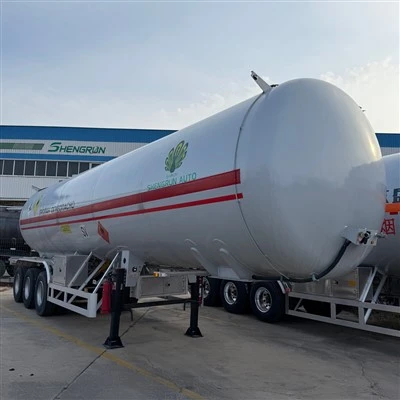

Hey there! As a semi-trailer supplier, I've seen all kinds of axle configurations for semi-trailers. And let me tell you, choosing the right one can make a huge difference in terms of performance, efficiency, and safety. So, in this blog post, I'm gonna break down the different axle configurations for semi-trailers and help you understand which one might be the best fit for your needs.
Single Axle Configuration
Let's start with the single axle configuration. This is the simplest setup you can have. As the name suggests, it has just one axle at the rear of the semi-trailer. Single axle trailers are generally smaller and lighter, which makes them more maneuverable. They're great for short - haul trips and carrying lighter loads.
For example, if you're transporting small loads of construction materials over a short distance, a single axle semi - trailer could be a good choice. However, the downside is that they have a limited load - carrying capacity. Since there's only one axle to support the weight, you can't put too much on it.
Tandem Axle Configuration
Next up is the tandem axle configuration. This setup features two axles placed close together at the rear of the semi - trailer. Tandem axles are much more common than single axles. They offer a better balance between load - carrying capacity and maneuverability.
The additional axle allows the trailer to carry heavier loads. You can transport larger quantities of goods, like pallets of merchandise or medium - sized machinery. Tandem axle trailers are also more stable on the road, especially at higher speeds. They distribute the weight more evenly, reducing the risk of swaying or tipping.
Tridem Axle Configuration
Now, let's talk about the tridem axle configuration. This one has three axles at the rear of the semi - trailer. Tridem axles are designed for heavy - duty applications. If you need to transport extremely heavy loads, like large construction equipment or a full tanker of liquid, a tridem axle semi - trailer is the way to go.
The extra axle provides even more support and weight distribution. This means you can carry a much larger payload without overloading the axles. However, tridem axle trailers are less maneuverable than single or tandem axle trailers. They're better suited for long - haul, straight - road trips where you don't need to make sharp turns very often.
Steerable Axle Configuration
In addition to the number of axles, there's also the steerable axle configuration. A steerable axle can turn independently, which greatly improves the trailer's maneuverability. This is especially useful in tight spaces, like construction sites or narrow city streets.
Steerable axles can be added to single, tandem, or tridem axle trailers. For example, a tandem axle trailer with a steerable axle can navigate around obstacles much more easily than a regular tandem axle trailer. It gives you more control over the trailer's movement, making it a great option for specialized applications.
Axle Configurations for Different Types of Semi - Trailers
Different types of semi - trailers often require specific axle configurations. For instance, Tanker Semi - trailer usually need a configuration that can handle the weight of the liquid cargo. Tandem or tridem axles are common for tankers because they can distribute the weight evenly and provide stability.
Box Type Dump Semi Trailer also need a strong axle setup. Since they carry loose materials like gravel or sand, which can shift during transport, a tandem or tridem axle configuration helps keep the trailer balanced.
Oil Tank Trailer are another example. They need to be able to handle the weight of the oil and ensure safe transportation. Tridem axles are often used for oil tank trailers to provide the necessary support and stability.
Factors to Consider When Choosing an Axle Configuration
When you're choosing an axle configuration for your semi - trailer, there are several factors you need to consider.
Load Capacity
The first and most obvious factor is the load capacity. You need to know how much weight you'll be carrying on a regular basis. If you're transporting light loads, a single axle might be enough. But if you're dealing with heavy loads, you'll need a tandem or tridem axle.


Maneuverability
Maneuverability is also important. If you'll be driving in tight spaces or making a lot of turns, a single axle or a trailer with a steerable axle might be a better choice. On the other hand, if you're mostly on long, straight highways, maneuverability might be less of a concern.
Cost
Cost is always a factor. Generally, trailers with more axles are more expensive. You need to balance the cost of the trailer with your budget and the benefits you'll get from the axle configuration.
Regulations
Don't forget about regulations. Different regions have different rules regarding axle weights and configurations. Make sure you comply with all the local regulations to avoid fines and legal issues.
Conclusion
So, there you have it! The different axle configurations for semi - trailers. Each configuration has its own advantages and disadvantages, and the right one for you depends on your specific needs. Whether you're a small business owner looking for a simple single - axle trailer or a large - scale logistics company in need of a heavy - duty tridem axle trailer, there's an option out there for you.
If you're interested in learning more about semi - trailers and their axle configurations, or if you're ready to make a purchase, feel free to reach out. We're here to help you find the perfect semi - trailer for your business. Contact us to start the procurement discussion and let's work together to get you the best trailer for your needs.
References
- Trucking Industry Handbook
- Trailer Manufacturer's Guides
- Department of Transportation Regulations