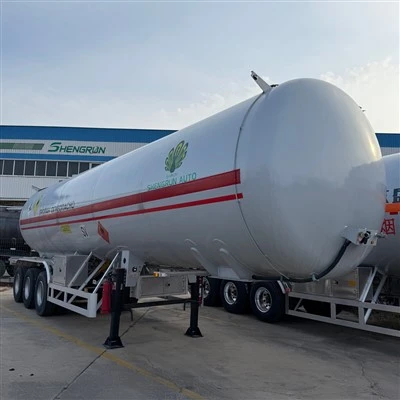

Hey there, fellow truckers and transportation enthusiasts! I'm a supplier of side board semi trailers, and I know firsthand how important it is to be prepared for emergency situations when you're out on the road. Whether you're hauling goods across the country or just making local deliveries, unexpected things can happen at any time. In this blog post, I'll share some tips on how to handle emergency situations when driving a side board semi trailer.
1. Know Your Trailer
Before you hit the road, it's crucial to have a good understanding of your side board semi trailer. Familiarize yourself with its features, specifications, and limitations. This includes knowing the weight capacity, the length and width of the trailer, and the type of suspension it has. If you're not sure about any of these things, refer to the trailer's manual or consult with your supplier.
We offer a variety of side board semi trailers, such as the Stake Side Semi Trailer, 3 Axle Side Board Semi Trailer, and Straight Beam Side Panel Semi Trailer. Each type has its own unique characteristics, so make sure you know which one you're driving and how to operate it safely.
2. Perform Regular Maintenance
Regular maintenance is key to preventing emergencies on the road. Make sure your side board semi trailer is in good condition before each trip. Check the tires for proper inflation and wear, inspect the brakes, lights, and electrical systems, and ensure that all the stakes and side boards are secure.
If you notice any issues during your pre-trip inspection, don't ignore them. Address them immediately to avoid potential problems down the road. It's also a good idea to keep a basic toolkit and emergency supplies in your truck, such as a spare tire, jack, tire iron, flashlight, and first aid kit.
3. Be Prepared for Bad Weather
Weather conditions can change quickly, and it's important to be prepared for anything. If you're driving in bad weather, such as rain, snow, or fog, slow down and increase your following distance. Use your headlights and turn signals to make yourself more visible to other drivers.
If the weather is particularly severe, consider pulling over and waiting it out. It's better to be safe than sorry. Make sure you have a plan in place for where you'll stop if you need to take shelter from the weather.
4. Handle a Blowout
A tire blowout can be a scary experience, but it's important to stay calm and take the right steps. If you experience a blowout while driving, don't panic. Hold the steering wheel firmly and gradually slow down by taking your foot off the accelerator. Don't hit the brakes hard, as this can cause you to lose control of the vehicle.
Once you've slowed down to a safe speed, pull over to the side of the road as soon as possible. Use your hazard lights to warn other drivers. If you're not comfortable changing the tire yourself, call for roadside assistance.
5. Deal with a Load Shift
A load shift can occur if the cargo in your side board semi trailer is not properly secured. This can cause the trailer to become unstable and difficult to control. If you notice that your load has shifted, pull over to a safe location as soon as possible.
Inspect the load and make sure it's properly secured. If necessary, redistribute the cargo to balance the weight of the trailer. If you're not sure how to do this, consult with your supplier or a professional trucking mechanic.
6. Respond to a Fire
A fire in your side board semi trailer can be extremely dangerous. If you notice a fire, pull over to a safe location as far away from other vehicles and buildings as possible. Use your fire extinguisher to try to put out the fire if it's small and contained.
If the fire is too large to handle, call the fire department immediately. Evacuate the area and stay a safe distance away from the trailer until the fire is extinguished.
7. Communicate with Others
In an emergency situation, it's important to communicate with others. Use your cell phone to call for help if you need it. If you're on a major highway, you can also use the emergency call boxes located along the road.
Let your dispatcher know what's going on and provide them with your location. They can help you coordinate a response and provide you with any necessary assistance.
8. Stay Calm and Focused
In any emergency situation, it's important to stay calm and focused. Panicking can make the situation worse and increase the risk of an accident. Take a deep breath and think clearly about what you need to do.
Follow the steps outlined above and use your common sense. Remember, your safety and the safety of others on the road are your top priorities.
Conclusion
Driving a side board semi trailer can be a challenging but rewarding experience. By following these tips and being prepared for emergency situations, you can help ensure a safe and successful trip.
If you're in the market for a side board semi trailer, we'd love to help you find the right one for your needs. We offer a wide range of trailers at competitive prices, and our team of experts can provide you with all the information and support you need. Contact us today to learn more and start the purchasing process.


References
- American Trucking Associations. (n.d.). Emergency Preparedness for Truck Drivers. Retrieved from [Website URL]
- Federal Motor Carrier Safety Administration. (n.d.). Driver Safety Tips. Retrieved from [Website URL]
- National Highway Traffic Safety Administration. (n.d.). Tire Safety. Retrieved from [Website URL]