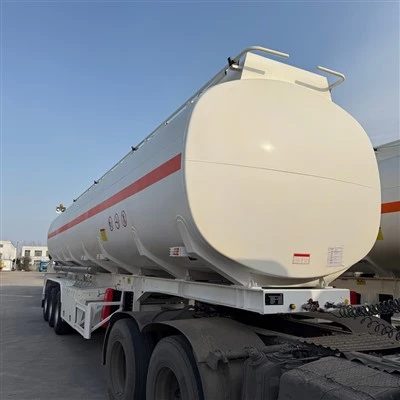

Ensuring the safety of a tank semi-trailer during loading and unloading is of paramount importance, not only for the protection of personnel and the environment but also for the smooth operation of the transportation process. As a tank semi-trailer supplier, I have witnessed firsthand the significance of adhering to strict safety protocols. In this blog, I will share some key strategies and best practices to guarantee the safety of tank semi-trailers during these critical operations.
Pre - loading Safety Checks
Before any loading operation begins, a comprehensive pre - loading inspection is essential. This includes a thorough examination of the tank semi - trailer's physical condition. Check the tank for any signs of damage, such as dents, cracks, or corrosion. Even minor damage can compromise the integrity of the tank and lead to leaks during loading or transportation.
Inspect the valves, fittings, and hoses. Ensure that all valves are in proper working condition and can be opened and closed smoothly. Any signs of wear or malfunction in the valves should be addressed immediately. The hoses should be free from cuts, kinks, or bulges, as these can cause leaks or blockages.
Verify the pressure relief devices. These devices are crucial for preventing over - pressurization of the tank. Make sure they are properly calibrated and functioning correctly. If the pressure relief valve fails, it can lead to a dangerous build - up of pressure inside the tank, potentially resulting in an explosion.
Check the grounding system. A proper grounding connection is necessary to prevent static electricity from building up during the loading process. Static electricity can ignite flammable substances, so ensuring a good grounding connection is vital. Connect the trailer to a suitable grounding point using a grounding cable.
Loading Procedures
During the loading process, it is crucial to follow strict procedures. First, ensure that the loading area is well - ventilated. This is especially important when dealing with flammable or toxic substances. Adequate ventilation helps to disperse any vapors that may be released during loading, reducing the risk of explosion or inhalation of harmful chemicals.
Use the appropriate loading equipment. Different types of substances require different loading methods and equipment. For example, Oil Tank Trailer may require specialized hoses and pumps designed for handling oil. Ensure that the equipment is compatible with the substance being loaded and is in good working condition.
Monitor the loading process closely. Keep an eye on the tank's level to prevent over - filling. Over - filling can cause spills and increase the risk of leaks. Use level indicators or gauges to accurately measure the amount of substance being loaded. If possible, install an automatic shut - off system to prevent over - filling.
Maintain a safe distance from the loading area. Keep unnecessary personnel away from the loading site to minimize the risk of injury in case of an accident. Provide safety equipment, such as fire extinguishers and personal protective equipment (PPE), in the vicinity of the loading area.
Unloading Procedures
Similar to loading, unloading also requires careful attention to safety. Before starting the unloading process, ensure that the receiving container or facility is suitable for the substance being unloaded. Check the compatibility of the materials and the capacity of the receiving tank.
Inspect the unloading equipment, including hoses, valves, and pumps. Make sure they are clean and in good working condition. Any debris or contaminants in the equipment can cause blockages or damage to the tank or the receiving system.


During unloading, maintain a slow and steady flow rate. A sudden or excessive flow can cause pressure surges, which may damage the tank or the unloading equipment. Monitor the pressure and flow rate throughout the process to ensure a safe and controlled unloading.
Just like in loading, proper grounding is essential during unloading. Connect the trailer to a grounding point to prevent static electricity from causing sparks. This is particularly important when unloading flammable substances.
Training and Personnel Safety
Proper training of personnel involved in the loading and unloading process is crucial. All operators should be trained on the specific procedures and safety protocols for handling tank semi - trailers. They should be familiar with the equipment, the substances being transported, and the emergency response procedures.
Provide regular safety training sessions to keep the operators updated on the latest safety standards and best practices. Training should include topics such as hazard identification, personal protective equipment (PPE) usage, and emergency response.
Ensure that all personnel wear appropriate PPE, such as safety glasses, gloves, and protective clothing. PPE can protect the operators from exposure to harmful substances and prevent injuries in case of an accident.
Maintenance and Inspection Schedules
Regular maintenance and inspection of the tank semi - trailer are essential for ensuring its long - term safety. Establish a comprehensive maintenance schedule that includes routine checks of the tank, valves, hoses, and other components.
Conduct periodic inspections by qualified technicians. These inspections should include non - destructive testing methods, such as ultrasonic testing or magnetic particle inspection, to detect any hidden defects in the tank.
Keep detailed records of all maintenance and inspection activities. This documentation can help in identifying any recurring problems and ensuring that the trailer is always in compliance with safety regulations.
Emergency Preparedness
Despite all the preventive measures, emergencies can still occur. It is essential to have a well - defined emergency response plan in place. The plan should include procedures for dealing with spills, leaks, fires, and other potential hazards.
Train all personnel on the emergency response plan. Conduct regular drills to ensure that everyone knows what to do in case of an emergency. Provide emergency equipment, such as spill kits, fire extinguishers, and first - aid kits, at the loading and unloading sites.
In conclusion, ensuring the safety of a tank semi - trailer during loading and unloading requires a combination of proper pre - loading checks, strict loading and unloading procedures, well - trained personnel, regular maintenance, and emergency preparedness. As a tank semi - trailer supplier, I am committed to providing high - quality trailers and promoting safety in the industry. If you are interested in purchasing a tank semi - trailer or have any questions about safety procedures, please feel free to contact us for further discussions.
References
- Department of Transportation (DOT) regulations on hazardous materials transportation.
- American Petroleum Institute (API) standards for tank trailers.
- Occupational Safety and Health Administration (OSHA) guidelines for workplace safety.