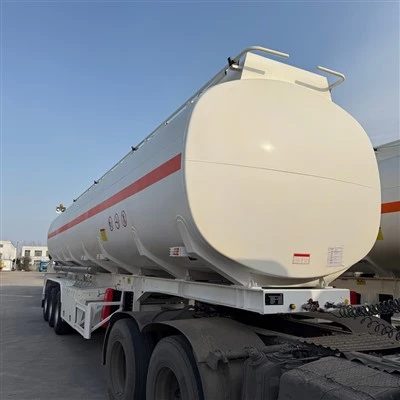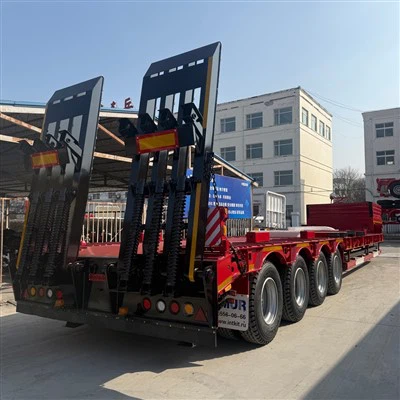

Transporting an oil tank trailer is a complex and highly regulated process that requires careful planning, adherence to safety standards, and specialized equipment. As a leading Oil Tank Trailer supplier, we understand the challenges and intricacies involved in this critical task. In this blog, we will explore the key steps and considerations for transporting an oil tank trailer safely and efficiently.
Pre - Transport Preparation
Inspection of the Oil Tank Trailer
Before transporting an oil tank trailer, a thorough inspection is essential. Check the structural integrity of the trailer, including the frame, axles, and suspension. Look for any signs of damage, corrosion, or wear that could compromise the safety of the transport. Inspect the tank itself for leaks, cracks, or dents. Test all valves, fittings, and gauges to ensure they are in proper working condition.
Loading and Securing the Cargo
The cargo in an oil tank trailer is usually highly flammable and hazardous. Proper loading is crucial to prevent spills and ensure stability during transport. Use appropriate loading equipment, such as pumps and hoses, to fill the tank to the recommended level. Avoid over - filling, as this can lead to spills during transit.
Once the tank is loaded, secure it properly to the trailer. Use straps, chains, or other securement devices to prevent the tank from shifting or moving during transport. Ensure that all connections are tight and that the tank is firmly attached to the trailer.
Obtaining Necessary Permits
Transporting an oil tank trailer often requires various permits, depending on the jurisdiction and the nature of the cargo. These permits may include hazardous materials permits, overweight or over - dimensional permits, and route permits. Contact the relevant local, state, and federal authorities to obtain the necessary permits well in advance of the transport.
Selecting the Right Transport Vehicle
Compatibility with the Oil Tank Trailer
The transport vehicle must be compatible with the oil tank trailer in terms of size, weight capacity, and towing capabilities. Choose a truck with a sufficient towing capacity to handle the loaded oil tank trailer. Consider the type of trailer, such as a Oil Tank Trailer, Tanker Semi - trailer, or LPG Tank Semi Trailer, and ensure that the truck can safely tow it.
Safety Features
The transport vehicle should be equipped with appropriate safety features. These may include anti - lock brakes, stability control systems, and emergency response equipment. The driver should also be trained on how to use these safety features effectively.
Route Planning
Avoiding High - Risk Areas
When planning the route for transporting an oil tank trailer, avoid areas with high traffic congestion, sharp turns, or low - clearance bridges. High - risk areas such as residential neighborhoods, schools, and hospitals should also be avoided whenever possible. Use mapping software or consult with local authorities to identify the safest and most efficient route.
Considering Road Conditions
Take into account the road conditions along the planned route. Poor road conditions, such as potholes or uneven surfaces, can cause damage to the oil tank trailer and increase the risk of spills. Check for road closures, construction zones, and weather conditions that may affect the transport.
During Transport
Driver Training and Qualifications
The driver of the transport vehicle must be properly trained and qualified to handle an oil tank trailer. They should have a commercial driver's license (CDL) with the appropriate endorsements for transporting hazardous materials. The driver should also be trained in emergency response procedures in case of an accident or spill.


Monitoring the Trailer
During transport, the driver should regularly monitor the oil tank trailer. Check for any signs of leaks, movement, or damage. Use the trailer's gauges and sensors to monitor the cargo level and pressure. If any issues are detected, the driver should stop the vehicle immediately and take appropriate action.
Post - Transport Procedures
Unloading the Cargo
When the oil tank trailer reaches its destination, follow proper unloading procedures. Use appropriate equipment to safely transfer the cargo from the tank to the storage facility. Ensure that all connections are secure and that the unloading process is carried out in a controlled manner.
Inspecting the Trailer
After unloading, conduct another inspection of the oil tank trailer. Check for any damage that may have occurred during transport. Clean the tank and any associated equipment to remove any residual cargo.
Safety Considerations
Hazardous Materials Handling
Oil is a hazardous material, and strict safety protocols must be followed during transport. This includes wearing appropriate personal protective equipment (PPE), such as gloves and safety glasses. Ensure that the transport vehicle and the oil tank trailer are equipped with fire extinguishers and other emergency response equipment.
Emergency Response Plan
Develop an emergency response plan in case of an accident or spill. The plan should include procedures for notifying the appropriate authorities, containing the spill, and protecting the environment. Train all personnel involved in the transport on the emergency response plan.
Conclusion
Transporting an oil tank trailer is a challenging but manageable task when proper procedures are followed. As a Oil Tank Trailer supplier, we are committed to providing high - quality trailers and supporting our customers in ensuring safe and efficient transport. If you are in the market for an oil tank trailer or need more information on transporting these trailers, we invite you to contact us for a detailed discussion and to explore our range of products. Our team of experts is ready to assist you with all your oil tank trailer needs.
References
- Department of Transportation (DOT) regulations on hazardous materials transport.
- Industry standards for oil tank trailer design and construction.
- Safety guidelines from professional organizations in the transportation and petroleum industries.