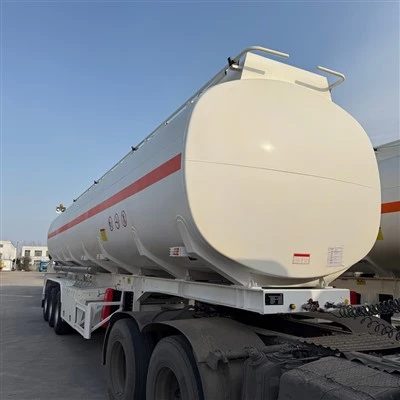

Hey there! As an oil tank trailer supplier, I've been in the thick of the industry for quite a while. One question that comes up a lot is, "What are the factors affecting the price of an oil tank trailer?" Well, let's dive right in and break it down.
1. Material Costs
The materials used to build an oil tank trailer play a huge role in its price. Most trailers are made from steel or aluminum. Steel is a popular choice because it's strong and relatively inexpensive. However, it's also heavier, which can affect fuel efficiency. On the other hand, aluminum is lighter, which means better fuel economy, but it's more expensive.
For example, if steel prices go up in the market, the cost of manufacturing steel oil tank trailers will also increase. This increase is then passed on to the customers. So, when you're looking at an Oil Tank Trailer, keep in mind that the material it's made of can significantly impact the price.
2. Size and Capacity
The size and capacity of an oil tank trailer are obvious factors that affect its price. Larger trailers with higher capacities generally cost more. This is because they require more materials to build and are more complex in terms of design and engineering.
A small oil tank trailer with a capacity of a few thousand liters will be much cheaper than a large one that can hold tens of thousands of liters. The larger trailers also need more powerful towing vehicles, which can add to the overall cost. So, if you're on a budget, you might want to consider a smaller capacity trailer that meets your basic needs.
3. Design and Features
The design and features of an oil tank trailer can also have a big impact on its price. Trailers with advanced features like anti - spill systems, temperature control, and advanced monitoring systems will cost more.
For instance, a trailer with a state - of - the - art anti - spill system is designed to prevent oil from leaking during transportation. This not only protects the environment but also reduces the risk of accidents. However, these advanced features come at a price. So, think about which features are essential for your business and which ones you can do without.
4. Manufacturing Process
The manufacturing process of an oil tank trailer is another factor that affects its price. High - quality trailers are often manufactured using advanced techniques and strict quality control measures.
For example, some trailers are welded using automated welding machines, which ensure a more precise and stronger weld. This not only improves the durability of the trailer but also adds to the cost. Additionally, trailers that go through rigorous testing procedures before being released to the market are likely to be more expensive.
5. Market Demand and Supply
Just like any other product, the price of an oil tank trailer is also affected by market demand and supply. If there is a high demand for oil tank trailers and the supply is limited, the prices will go up.
On the other hand, if there is an oversupply of trailers in the market, the prices will likely drop. For example, during a period of economic growth, there might be an increased demand for oil transportation, which can drive up the price of oil tank trailers.
6. Brand and Reputation
The brand and reputation of the manufacturer also play a role in the price of an oil tank trailer. Well - known brands with a good reputation for quality and reliability often charge more for their products.
Customers are willing to pay a premium for a trailer from a trusted brand because they know they're getting a high - quality product. For example, a trailer from a brand that has been in the industry for a long time and has a track record of producing reliable trailers will likely cost more than a trailer from a lesser - known brand.
7. Regulatory Requirements
Regulatory requirements can also affect the price of an oil tank trailer. Different countries and regions have different regulations regarding the design, construction, and safety of oil tank trailers.
Trailers that meet strict regulatory requirements often require additional features and modifications, which can increase the cost. For example, some regions require trailers to have specific safety features like fire suppression systems or emergency shut - off valves. These additional features add to the overall cost of the trailer.
8. After - Sales Service
The after - sales service provided by the supplier is another factor that can influence the price. A supplier that offers comprehensive after - sales service, such as maintenance, repair, and spare parts availability, will likely charge more for their trailers.


This is because they are investing in providing long - term support to their customers. For example, if a supplier offers a warranty and has a network of service centers, it gives the customer peace of mind, but it also adds to the cost of the trailer.
Conclusion
So, as you can see, there are many factors that affect the price of an oil tank trailer. From material costs and size to design features and regulatory requirements, each factor plays a significant role.
If you're in the market for an oil tank trailer, it's important to consider all these factors and find the right balance between price and quality. Whether you need a LPG Tank Semi Trailer or a LPG Tank Trailer, make sure you do your research and choose a trailer that meets your specific needs.
If you're interested in purchasing an oil tank trailer, feel free to get in touch with us. We'd be happy to discuss your requirements and provide you with a quote. We're committed to providing high - quality trailers at competitive prices and excellent after - sales service.
References
- Industry reports on oil tank trailer manufacturing
- Market research on the price trends of oil tank trailers
- Interviews with industry experts on factors affecting trailer prices