
Hey there! As a used wheel loader supplier, I know how important it is to take a used wheel loader for a test drive before making a purchase. A test drive can give you a real - world feel of the machine's performance, reliability, and overall condition. So, let's dive into how you can effectively test drive a used wheel loader.
Pre - Test Drive Checks
Before you even start the engine, there are a few things you should check. First off, take a good look at the exterior of the loader. Check for any signs of damage, such as dents, scratches, or rust. Rust can be a sign of poor maintenance or water damage, which could lead to more serious problems down the road.
Inspect the tires. Look for uneven wear, which might indicate alignment issues. Make sure the tires have enough tread depth. Bald tires can be dangerous and will need to be replaced soon, adding to your costs. Also, check for any cuts or bulges in the tires.
Next, open the engine compartment. Look at the engine oil level. If it's low, it could mean there's a leak. Check the coolant level as well. A low coolant level might suggest a cooling system problem. Inspect the belts and hoses for any signs of wear or damage. Cracked belts or hoses can cause the engine to overheat or malfunction.
Starting the Loader
Once you've completed the pre - test drive checks, it's time to start the loader. Turn the key and listen to how the engine starts. A smooth start is a good sign. If the engine struggles to start or makes strange noises, it could be a sign of engine problems.
After the engine starts, let it idle for a few minutes. Pay attention to the engine's sound. A steady, smooth sound is what you're looking for. Any knocking, rattling, or hissing noises could indicate internal engine issues.
Operating the Controls
Now that the engine is running, it's time to get familiar with the controls. Start by operating the joystick or levers that control the loader's bucket. Move the bucket up and down, tilt it forward and backward. The movements should be smooth and responsive. If there's any hesitation or jerky movement, it could mean there's a problem with the hydraulic system.
Test the steering. Turn the steering wheel from left to right. The steering should be easy to operate and not too loose or too tight. A loose steering wheel could indicate a problem with the steering linkage, while a tight one might mean there's an issue with the power steering system.
Check the brakes. Gently press the brake pedal. The loader should come to a smooth stop. If the brakes feel spongy or if the loader doesn't stop properly, it's a major red flag.
On - Site Testing
Take the loader to an area where you can perform some real - world tasks. If possible, load some material into the bucket. See how well the loader picks up the material. The bucket should be able to dig into the ground easily and lift the load without straining the engine.
Drive the loader around the site. Pay attention to how it accelerates and decelerates. The acceleration should be smooth, and the deceleration should be controlled. Notice how the loader handles turns. It should be able to turn smoothly without any excessive swaying.
If the loader has a differential lock, test it. The differential lock is useful for getting better traction in difficult terrain. Engage the differential lock and see if it improves the loader's performance in challenging areas.
Checking the Attachments
If the used wheel loader comes with any attachments, such as a fork or a grapple, test them as well. Make sure they operate correctly and are securely attached to the loader. Check for any signs of wear or damage on the attachments.
Evaluating the Comfort and Visibility
Don't forget to consider the comfort and visibility of the operator's cab. Sit in the cab and adjust the seat to a comfortable position. Check the visibility from the cab. You should have a clear view of the front, sides, and rear of the loader. Poor visibility can be a safety hazard, especially in a busy construction site.
After the Test Drive
Once you've completed the test drive, take some time to think about what you've experienced. Make a list of any issues or concerns you noticed during the test drive. If possible, compare the performance of the used wheel loader with other models you've tested.
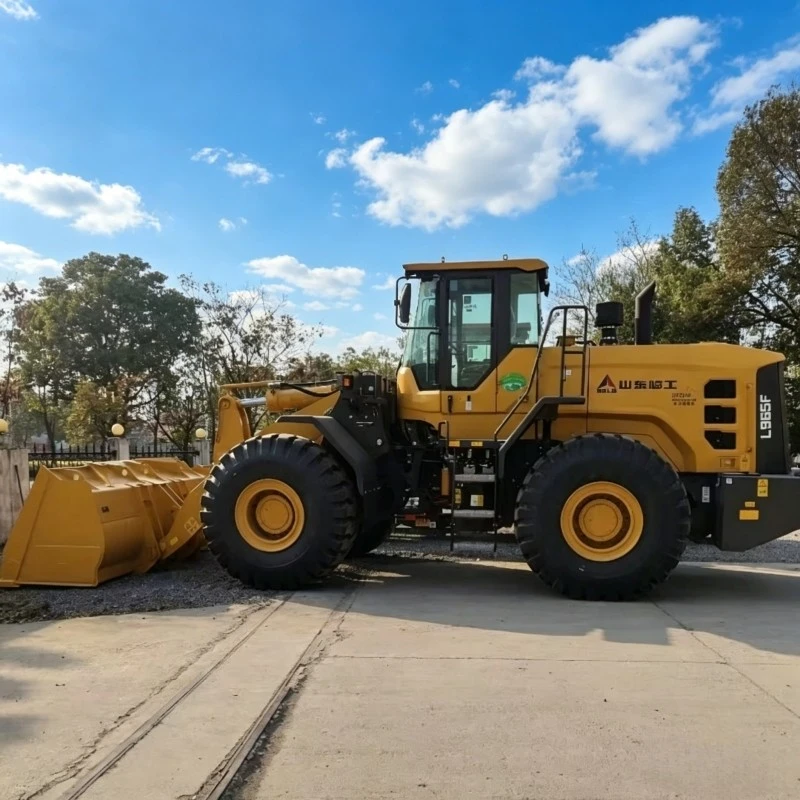
Now, let me introduce some of the used wheel loaders we have in our inventory. We have the CAT SEM 655D 5T Wheel Loader, which is known for its reliability and powerful performance. Also, check out our Used Wheel Loader section for a wide range of options. And if you're interested in a specific model, the XCMG Wheel Loader LW500F is a great choice with its advanced features.
If you're interested in purchasing a used wheel loader, we're here to help. We can provide you with more detailed information about the models, their history, and maintenance records. Don't hesitate to reach out to us for a more in - depth discussion and to start the purchasing process.

References
- Construction Equipment Magazine - Various articles on used wheel loader inspection and testing.
- Manufacturer's manuals for different wheel loader models.