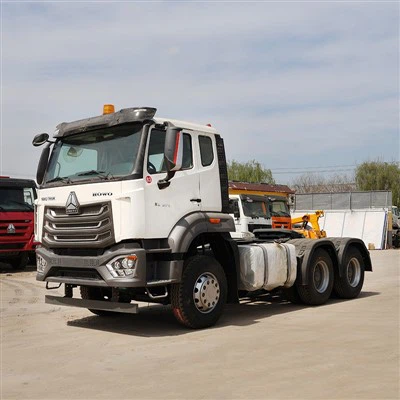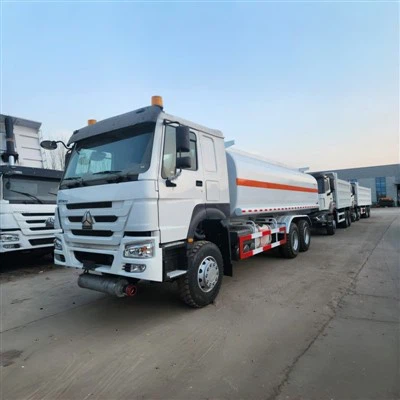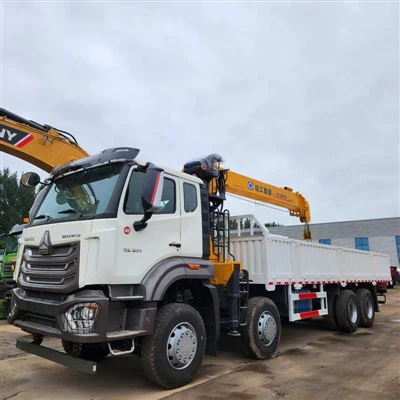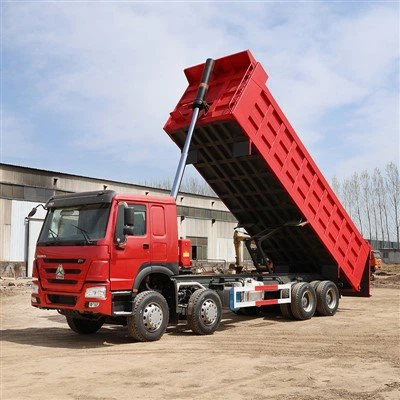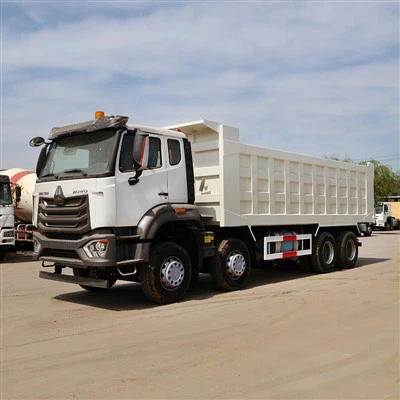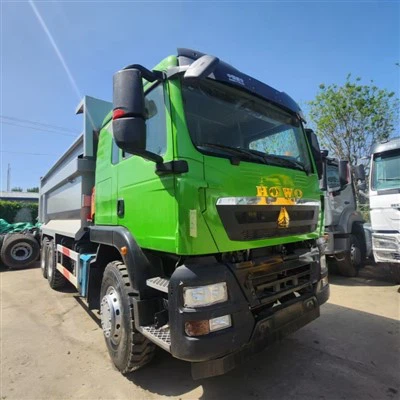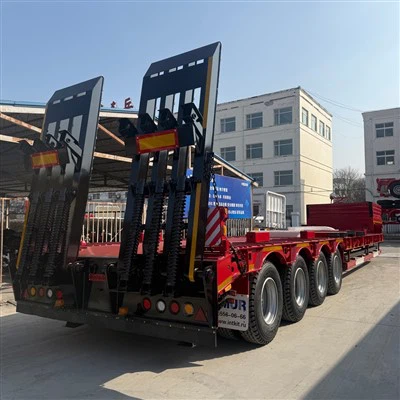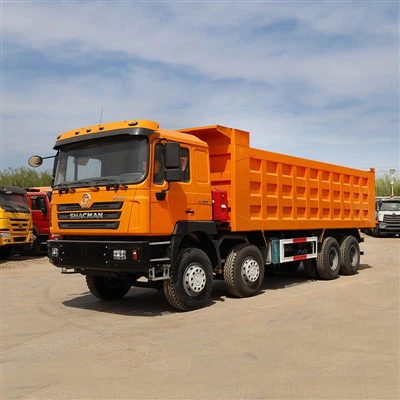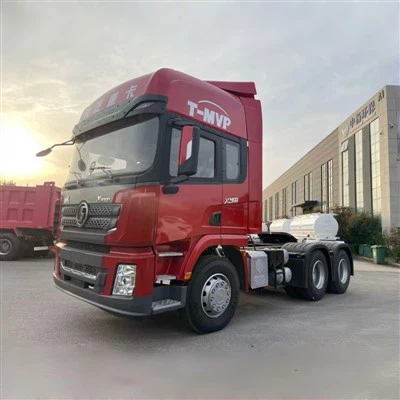

Many fleet operators and independent drivers keep asking this practical question. Bad unpaved roads, rocky slopes, muddy construction routes and uneven mine tracks bring real headaches for transport teams. Vehicle breakdowns on these sites cost lost cargo income and costly repair bills. So buyers want to know whether a heavy‑duty tractor truck can stand up to real‑world rough‑road stress day‑to‑day.
Core hardware that supports rough‑road travel
It's not raw horsepower alone that makes off‑road trips possible. The whole vehicle structure matters most. A well‑built heavy‑duty tractor truck comes with reinforced high‑strength steel chassis, heavy‑load axles and upgraded shock‑absorbing suspension systems. These parts take constant jolts from potholes and loose gravel, stopping frame cracks or axle damage.
Deep‑pattern off‑road tires are another key upgrade. Wide treads bite into slippery mud or loose stones, cutting slip risks when carrying full‑weight trailers. Higher ground clearance also keeps key bottom components from scraping against raised rocks or uneven ground.


Real‑world performance limits to keep in mind
Even a tough heavy‑duty tractor truck has boundaries. It works reliably on gravel mine roads, bumpy rural freight routes and moderately muddy construction access roads. But it cannot handle extreme cross‑country terrain without special factory modifications.
Many operators make the mistake of running fully loaded trucks over steep, boulder‑filled mountain trails without adjustments. Doing this will wear out suspension parts fast and increase safety risks. Fleet managers should match truck configuration to local road realities. For extra‑tough sites, you'll need adjusted gear ratios, reinforced protection plates and all‑wheel‑drive setups.
Practical buying & operating tips for rough‑road users
If most of your routes sit on poor‑quality surfaces, don't only compare engine power during purchase. Ask dealers about chassis reinforcement, suspension specs and ground‑clearance data. Keep regular maintenance cycles shorter, too. Rough roads speed up wear on tires, shock absorbers and joints. Quick checks between runs can prevent unexpected roadside failures.
When fitted with proper components and operated within design limits, this vehicle delivers solid performance on rough roads. Yet no truck can beat poor maintenance or improper use. Talk with field‑experienced operators before you finalize your buying call.