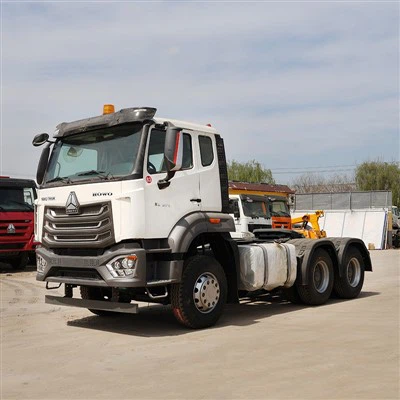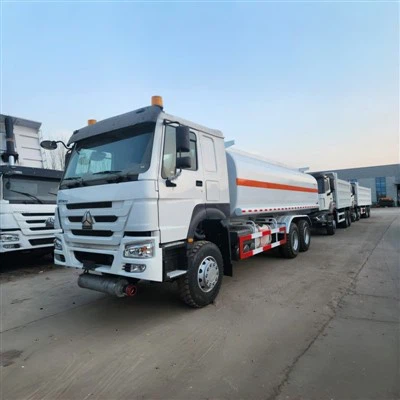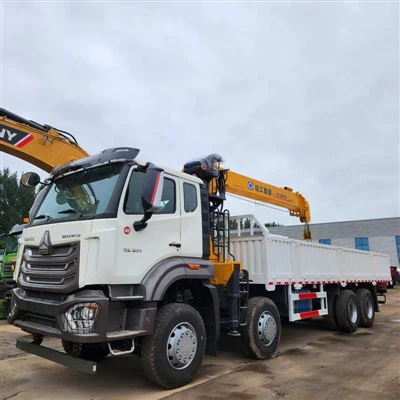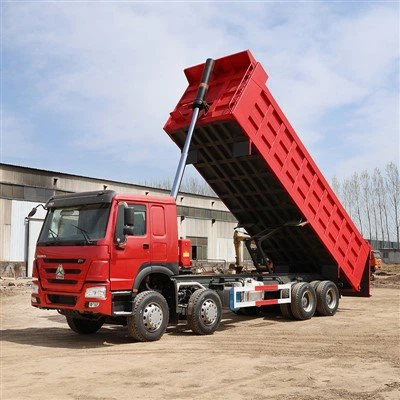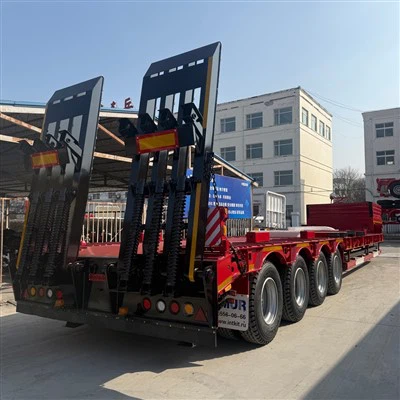
Chassis Frame: Serving as the "skeleton" of the semi-trailer, it bears the primary load-carrying function. Typically constructed from high-strength 16Mn steel, the longitudinal beams often feature a channel-shaped structure, with the kingpin connection assembly integrated into the front section.
Kingpin: Mounted at the front of the chassis frame, it connects to the tractor unit's fifth wheel (saddle) via a standard diameter of 50 mm (for loads ≤ 50 tons) or 90 mm (for loads > 50 tons), transmitting traction forces, braking forces, and a portion of the vertical load.
Suspension System: Connects the chassis frame to the axles. Common types include leaf spring suspension, air suspension, single-point suspension, and rigid suspension; its function is to support the load and dampen road shocks during transit.
Running Gear: Composed of axles (from brands such as Fuwa, BPW, etc.), wheel rims, and tires; it supports the entire weight of the vehicle and ensures driving stability.
Braking System: Utilizes a pneumatic (air-pressure) braking system. It achieves braking by using compressed air to actuate brake chambers, cams, or calipers. The air reservoir is typically located near the connection point between the tractor unit and the trailer.
Electrical System: Includes a 7-pin socket, cables, lighting fixtures, and other components; it is used for illumination, signal transmission, and brake control.
Landing Gear (Support Device): Used to support the front section of the trailer when it is uncoupled from the tractor unit. Common types include single-acting and linkage-type mechanisms, ensuring stable parking.
Protective Devices: Comprising side guards and rear underride protection, these components comply with regulatory requirements and enhance road safety.
Superstructure & Accessories: Includes items such as sideboards/stakes, headboards (gantries), toolboxes, spare tire carriers, etc.; these are selected and configured based on specific transportation requirements.