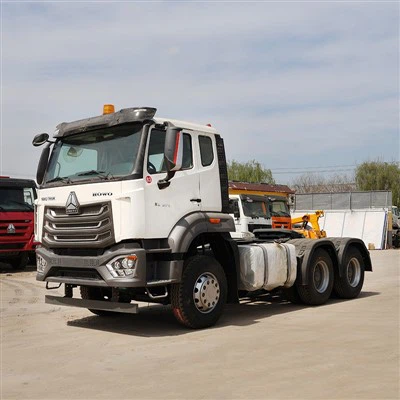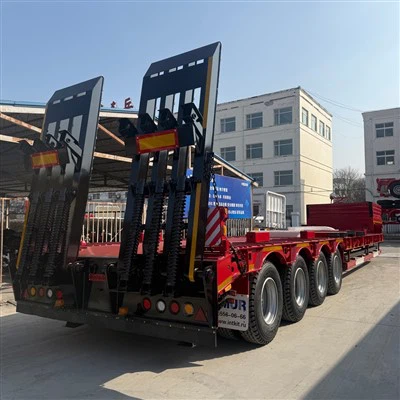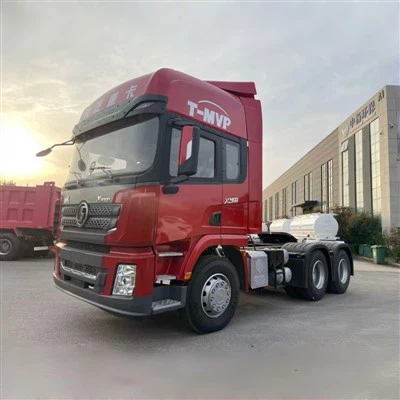
Operational guidelines for semi-trailers primarily encompass three key areas: driving procedures, loading requirements, and routine inspections. First, when driving a semi-trailer, drivers must pay particular attention to the vehicle's turning radius and braking distance. Due to the unique structural characteristics of semi-trailers, the vehicle body experiences significant lateral swing during turns; consequently-especially on narrow roads and at intersections-drivers must decelerate in advance to ensure a smooth and safe turning maneuver.
Loading requirements for semi-trailers must also be strictly adhered to. Drivers and cargo handlers should distribute the load rationally based on the semi-trailer's maximum weight capacity and dimensions, thereby avoiding overloading or uneven weight distribution. Cargo must be securely fastened to prevent shifting or falling off while the vehicle is in motion; this is critical not only for the safety of the cargo itself but also for overall road traffic safety.
Routine inspection constitutes a vital component of semi-trailer operation. Before setting out, drivers should inspect the vehicle's condition to ensure that critical components-such as tire pressure, braking systems, lighting, and steering mechanisms-are functioning properly, thereby preventing traffic accidents caused by mechanical failure. Furthermore, upon the completion of each trip, drivers should perform basic cleaning and maintenance on the vehicle to ensure it remains in optimal operating condition over the long term. Regular servicing and maintenance can extend the semi-trailer's service life, minimize the occurrence of mechanical faults, and ultimately safeguard driving safety.