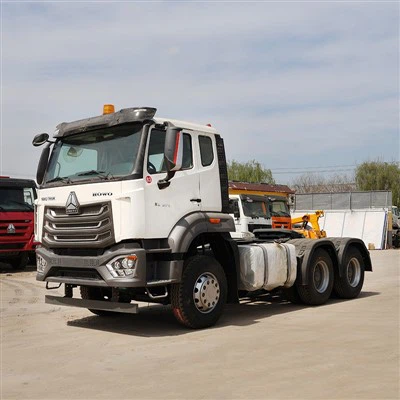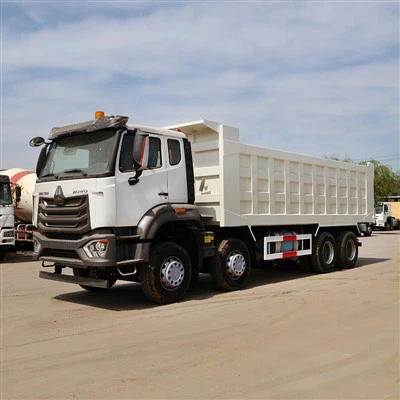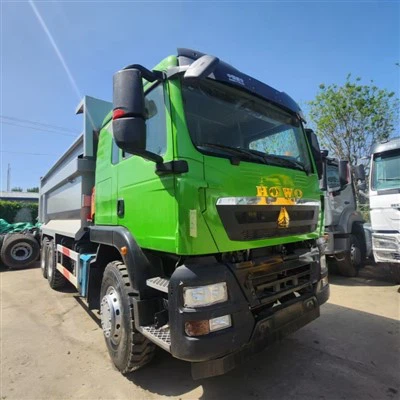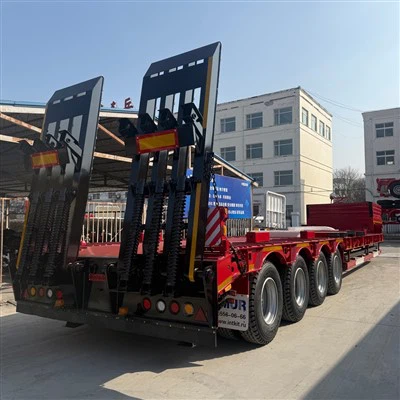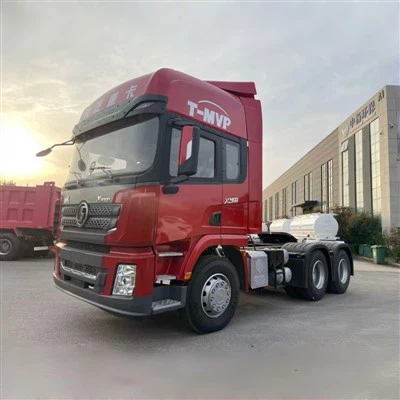
The operating principle of a semi-trailer is based on its unique structural design, the most critical feature of which is its "coupling and towing" mechanism. A semi-trailer consists of two main components: the trailer unit and the tractor unit. The tractor unit typically provides the motive power, while the trailer unit connects to the tractor's towing apparatus via a "fifth wheel." This towing apparatus is situated at the rear of the tractor unit; through this mechanism, the vehicle transmits traction force to the rear section, thereby propelling the trailer unit forward.
During transit, the tractor unit is responsible for providing power while simultaneously controlling the steering and braking of the entire vehicle assembly. Since the trailer unit is not directly coupled to the tractor's drivetrain, it is able to flexibly follow the movements of the tractor-particularly when turning, as the rear section of the vehicle can adjust its direction relatively independently. This structural configuration allows the semi-trailer to maneuver more agilely through curves while maintaining stability at high speeds.
The load-bearing capacity of a semi-trailer relies primarily on the axle and tire systems of the trailer unit. Typically, the cargo load is distributed evenly across the multiple axles of both the tractor and the trailer, thereby reducing the burden on any single axle. Furthermore, modern semi-trailers are equipped with advanced suspension systems designed to mitigate road-induced vibrations during transport, thereby ensuring the safety and security of the cargo.