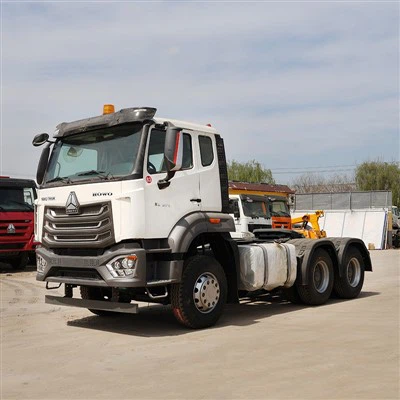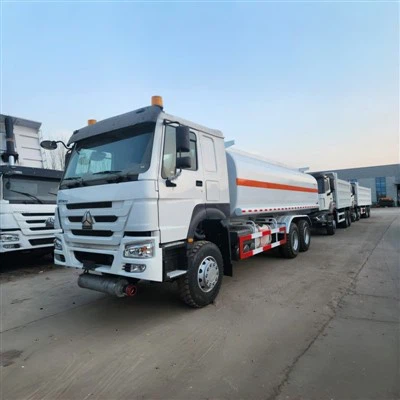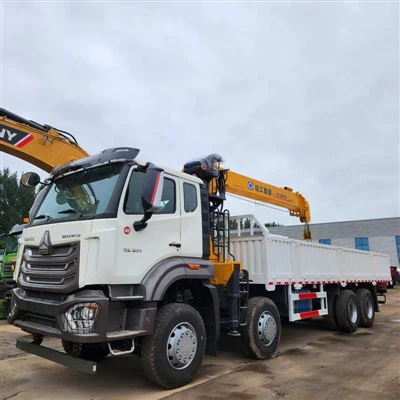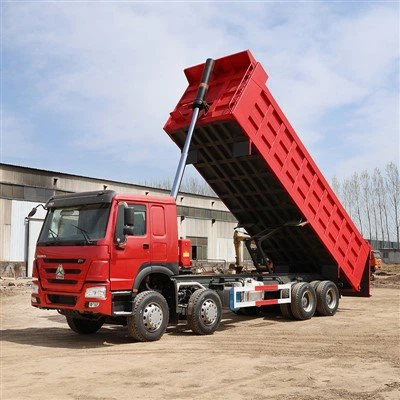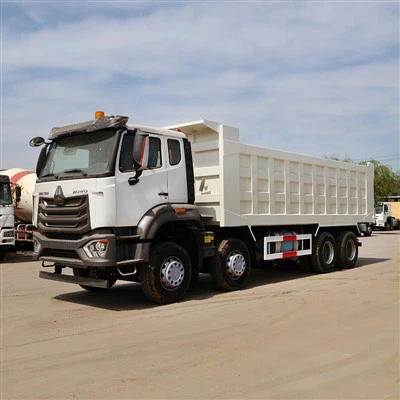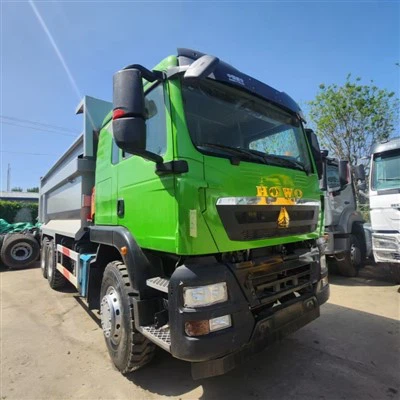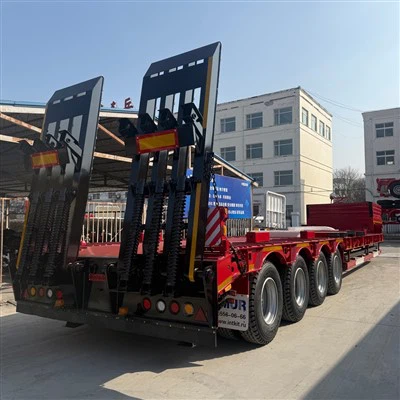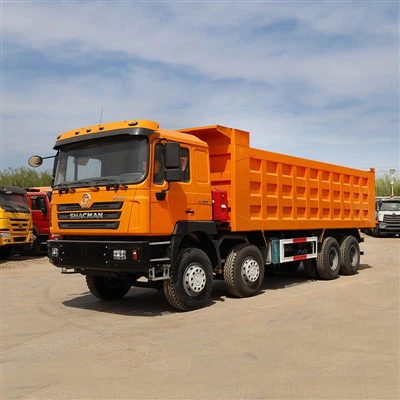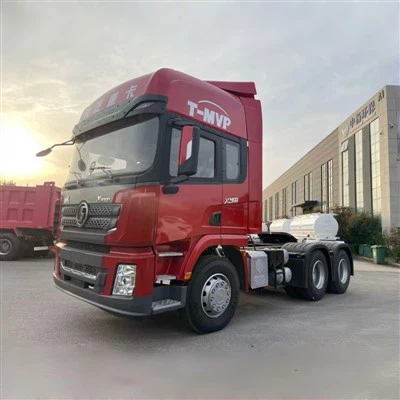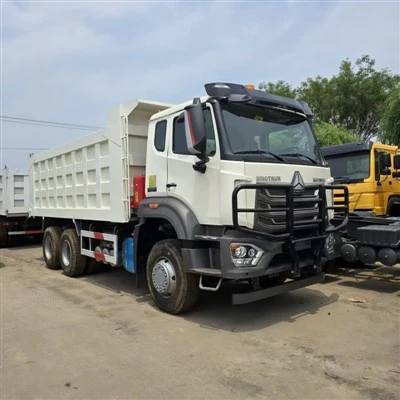
A semi-trailer is a type of freight vehicle composed of two distinct parts: a tractor unit and a trailer. Its unique design ensures that the trailer does not rely entirely on its own power for propulsion; instead, it derives both motive power and steering control through its connection with the tractor unit. According to national and industry standards, a semi-trailer is typically defined as a vehicle towed by a tractor unit via a fifth-wheel coupling device; the front end of the trailer connects to the tractor, while its rear end remains free-moving. Unlike a full trailer, the trailer component of a semi-trailer is not entirely self-supporting; rather, it depends on the tractor unit to provide both structural support and motive power.
Depending on the traffic regulations of different countries and regions, the definitional criteria for semi-trailers also encompass their structural dimensions and maximum load capacity. For instance, in China, the gross weight of a semi-trailer generally does not exceed 40 tons, and the combined weight of the trailer itself and its cargo must comply with relevant national regulations regarding road transport. To ensure safety during transit, specific limits are explicitly prescribed for the maximum permissible length, width, and height of semi-trailers; these standards serve to guarantee that, while traveling on public roads, semi-trailers do not impede traffic flow or pose safety hazards.