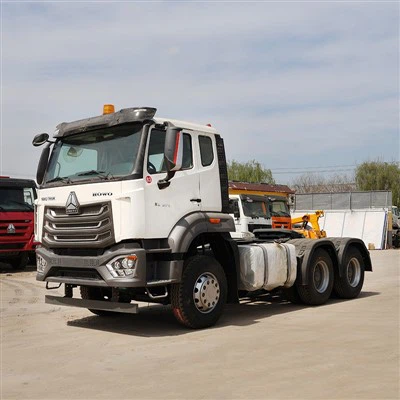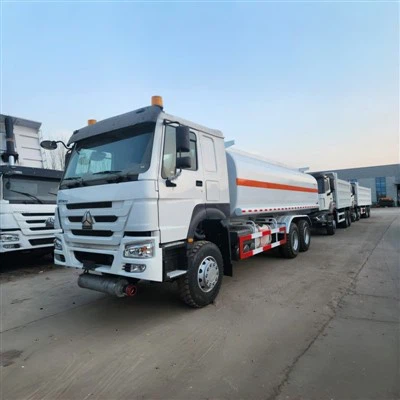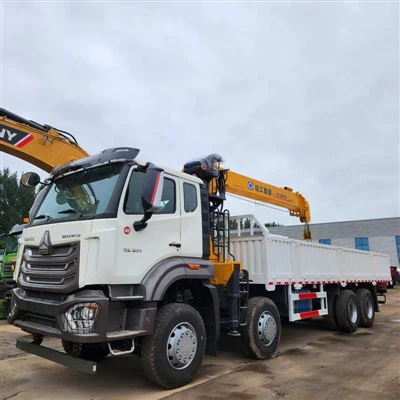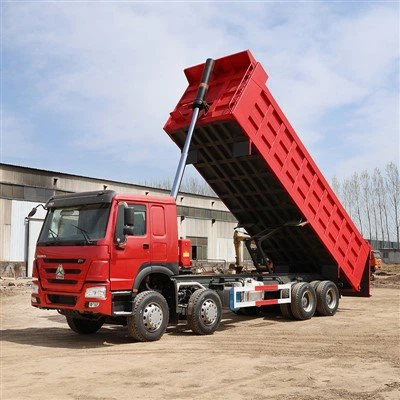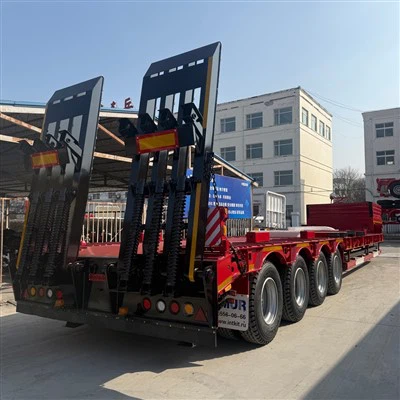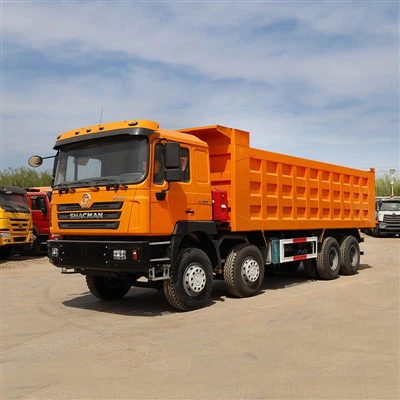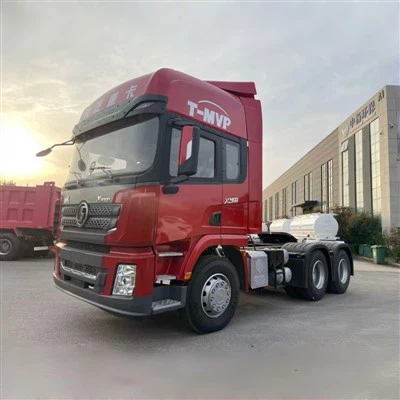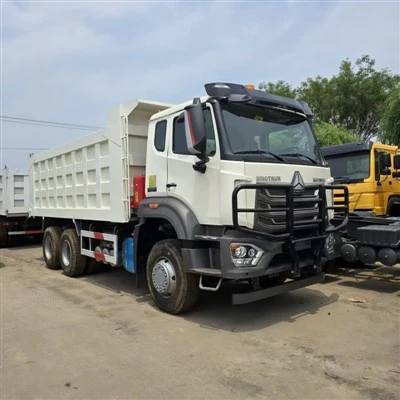
Load Capacity: Semi-trailers must possess sufficient load-carrying capacity to meet the transportation requirements of various types of cargo. The design process must take into account factors such as structural strength, axle load distribution, and the suspension system to ensure the trailer's stability and reliability under diverse road conditions and load scenarios.
Adaptability: Semi-trailers must demonstrate excellent road adaptability, capable of navigating the specific demands of various road classifications-including highways, urban streets, and rural roads. Design considerations must encompass factors such as tire specifications, the suspension system, and ground clearance to ensure the trailer maintains optimal passability and ride comfort across a wide range of road conditions.
Aerodynamic Performance: To minimize air resistance, enhance operational efficiency, and reduce fuel consumption, the design of semi-trailers should prioritize aerodynamic performance. Measures such as optimizing body contours, lowering overall body height, and incorporating streamlined components can effectively reduce the drag coefficient, thereby improving the trailer's economic efficiency and driving stability.
Ease of Maintenance: Semi-trailers should be designed to facilitate ease of maintenance and servicing, thereby extending their operational lifespan and reducing operating costs. For instance, the adoption of modular design principles, standardized interfaces, and easily replaceable components can simplify maintenance procedures and significantly improve maintenance efficiency.