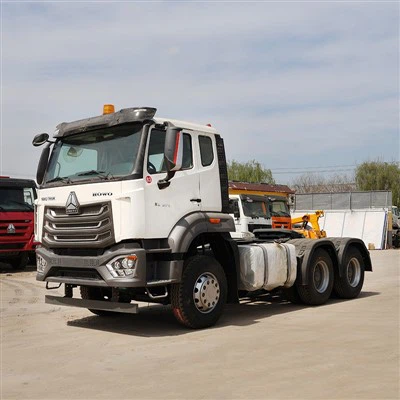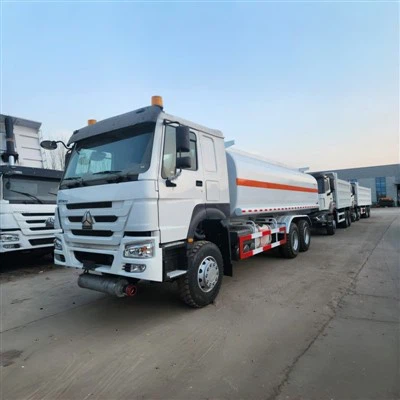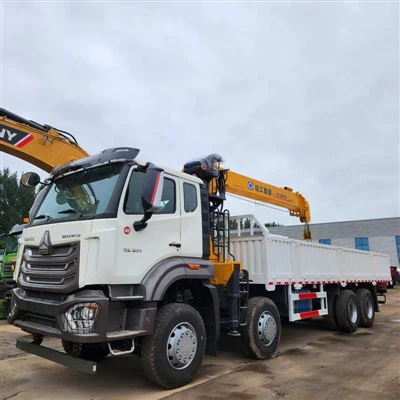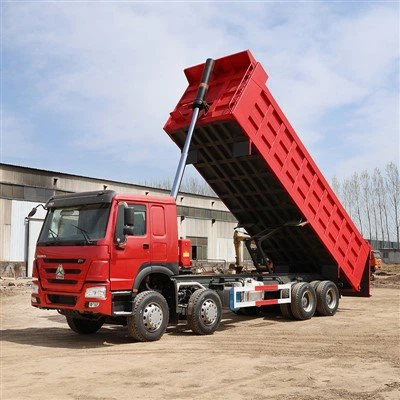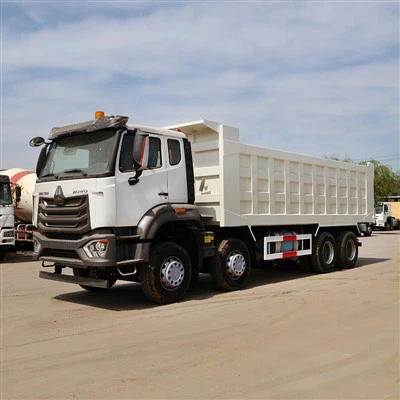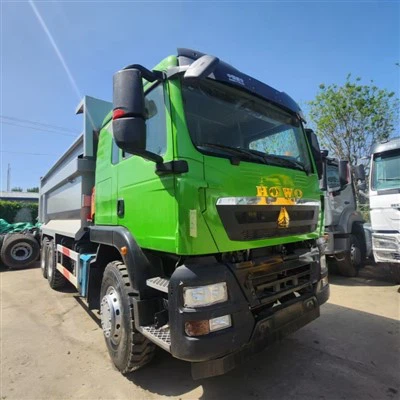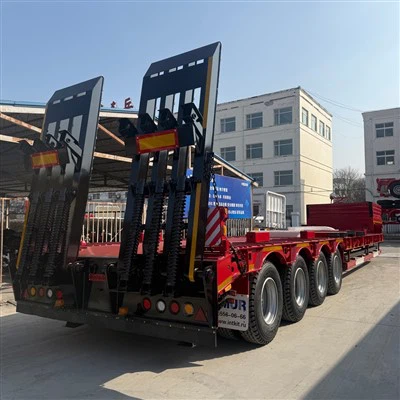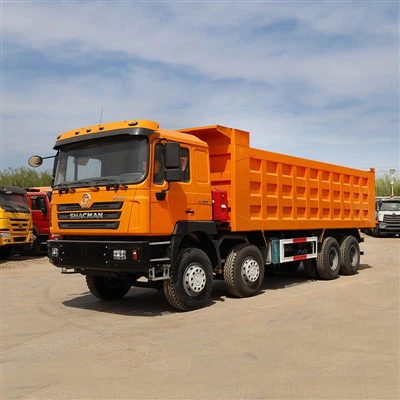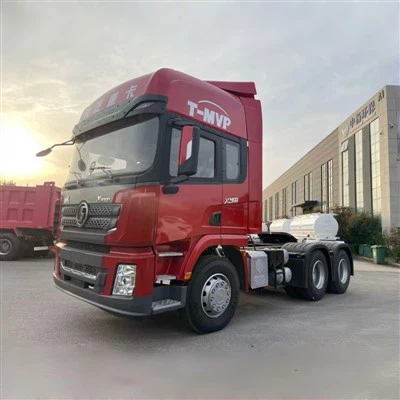
Emission standards for semi-trailers primarily encompass the National IV, V, and VI standards, as well as the upcoming National VII standard, which is set to be fully implemented. These standards become progressively more stringent; their core objective is to continuously reduce the emissions of pollutants-such as nitrogen oxides (NOx) and particulate matter (PM)-thereby driving the development of green logistics.
National V Standard (Fully Implemented in 2017)
Implementation Date: Mandatorily enforced nationwide as of January 1, 2017.
Key Upgrades: Builds upon the National IV standard by incorporating an SCR (Selective Catalytic Reduction) system, utilizing a urea solution to reduce NOx emissions.
Emission Reduction: Compared to the National IV standard, NOx and PM emissions are reduced by approximately 30%–50%.
Current Status: While a certain number of vehicles meeting this standard remain in circulation, they are gradually being replaced by National VI-compliant vehicles.
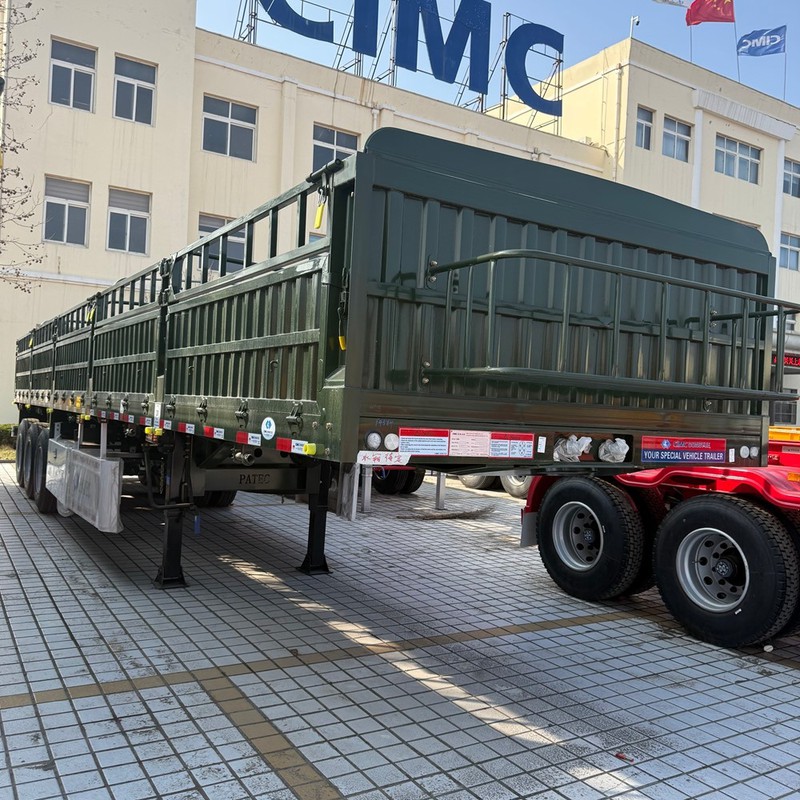
National VI Standards (Phased Implementation)
Implementation Milestones:
National VI-a: July 1, 2019 (Gas-fueled vehicles take the lead)
National VI-b: July 1, 2021 (Full implementation for heavy-duty diesel vehicles)
Key Upgrades:
Stricter limits for CO, NOx, PM, and other pollutants; notably, the NOx limit has been reduced by 77% compared to National V standards.
Mandatory real-time monitoring of emission status via OBD (On-Board Diagnostics) systems.
Introduction of RDE (Real Driving Emissions) testing to eliminate instances where vehicles "meet standards in the laboratory but exceed limits on the road."
National VII Standards (Applicable to newly manufactured vehicle models starting July 1, 2024)
Implementation Date: Effective July 1, 2024, newly manufactured semi-trailer tractors must comply with the National VII standards.
Significantly Stricter Emission Limits:
Nitrogen Oxides (NOx) emission limits have been reduced by 40%, dropping to 1.8 g/kWh.
Particulate Matter (PM) emission limits have been reduced by 70%, dropping to 0.025 g/kWh.
Technical Challenges: Requires the adoption of more efficient SCR and DPF systems-as well as potentially ammonia slip control technologies-imposing extremely rigorous requirements for the coordinated control between the engine and the after-treatment system.