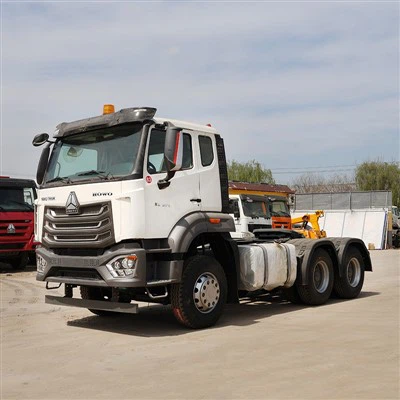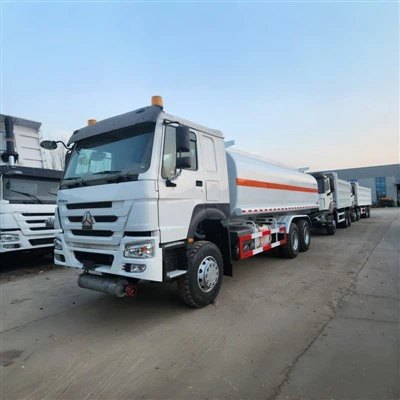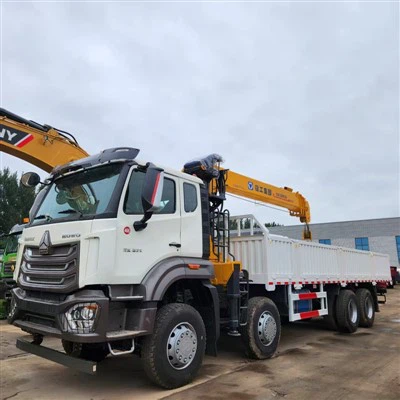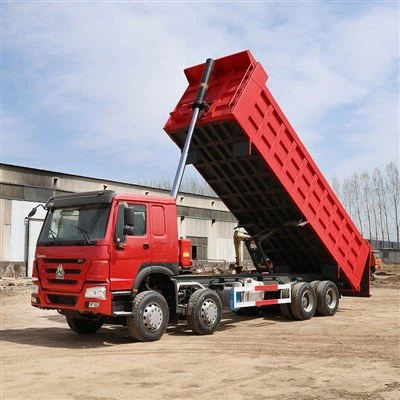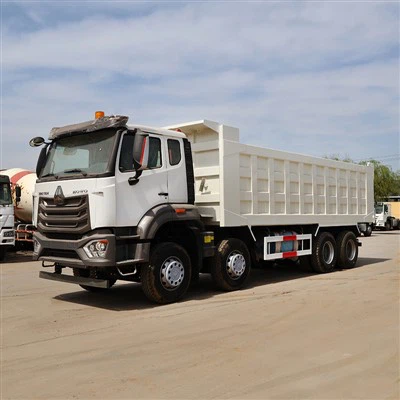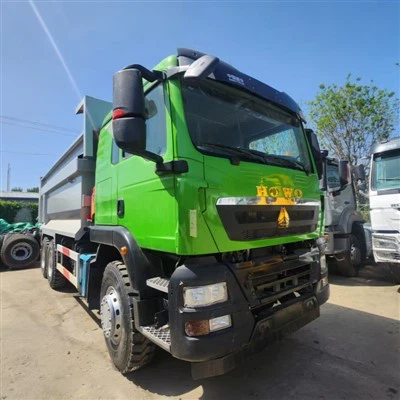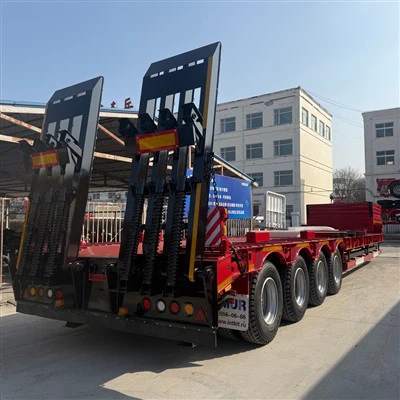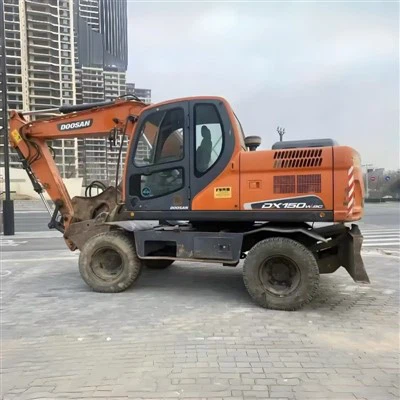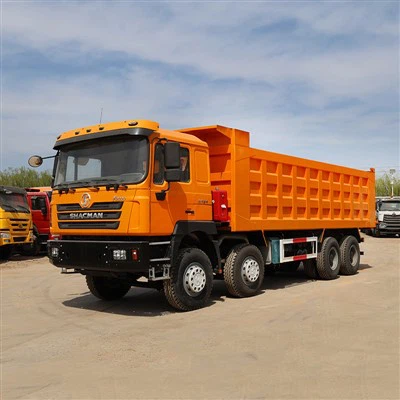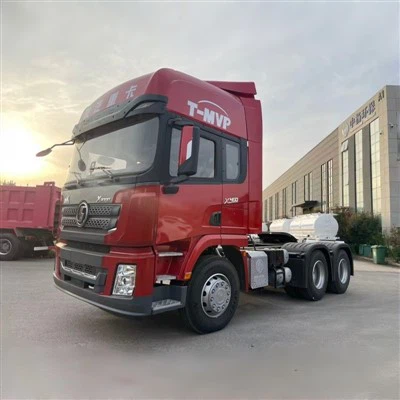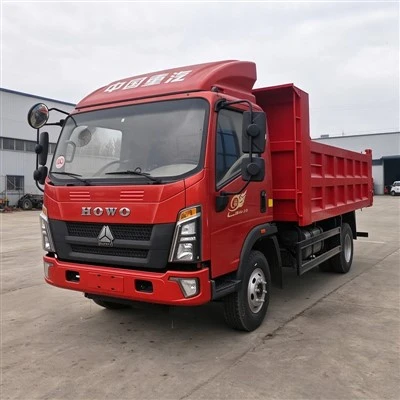
Exterior Integrity Inspection: Inspect the semi-trailer's body, frame, and cargo box surfaces for any cracks, dents, or corrosion; verify that weld seams are uniform and secure, and check for any peeling paint.
Dimensional and Specification Verification: Use precision measuring tools to accurately determine the semi-trailer's length, width, height, wheelbase, track width, internal cargo box dimensions, etc., ensuring compliance with standard requirements.
Material Strength Testing: Employ methods such as spectral analysis to determine the chemical composition of materials (e.g., steel); test their tensile strength, compressive strength, and toughness to assess whether they meet load-bearing requirements.
Load-Bearing Performance Testing: Simulate actual loading conditions by evenly distributing weights onto the semi-trailer; observe any structural deformation of the vehicle body to evaluate its actual load-bearing capacity and stability.
Braking System Inspection: Inspect components such as brake assemblies, brake lines, brake pads, and brake air chambers; test braking force, response time, and stability to ensure reliable braking performance.

Towing Connection Device Inspection: Examine components including the kingpin, fifth wheel, and connecting frame; test connection strength and reliability to ensure a secure, non-detachable link with the tractor unit.
Suspension System Inspection: Inspect suspension components-such as leaf springs, shock absorbers, and axles-for deformation, wear, or damage; test the suspension system's elasticity and shock-absorbing capabilities.
Tire Performance Inspection: Measure tire pressure; inspect tread wear levels, tread depth, and overall tire appearance; check for any punctures or bulges, and evaluate the tires' grip and wear resistance.
Electrical System Inspection: Inspect wiring for lighting, signaling, and ABS systems; test wiring insulation integrity to ensure that turn signals, brake lights, tail lights, clearance lights, and other lighting components function correctly.
Cargo Box Sealing Inspection: For enclosed semi-trailers, inspect the sealing integrity of cargo box seams, doors, windows, and other joints to prevent the ingress of rain, dust, and debris.
Steering Flexibility Test: For steerable semi-trailers, inspect the steering mechanism for flexibility, checking for any jamming or abnormal noises, and assess the overall reliability of the steering system.
Impact Resistance Test: Simulate the bumps and collisions typically encountered during transport to test the structural integrity and stability of the semi-trailer's frame and components under impact loads.
Corrosion Resistance Test: Conduct tests such as salt spray and humid-heat exposure to evaluate the corrosion resistance of the semi-trailer's surface coatings and metal materials, thereby determining their long-term durability.
Roll Stability Test: Under specific conditions, measure the semi-trailer's roll angle and stability to prevent rollovers while the vehicle is in motion.
Cargo Securing Device Test: Inspect cargo securing devices (such as locks, tie-down buckles, etc.) to ensure they are intact; test their locking strength to guarantee that cargo remains securely in place and does not shift during transport.