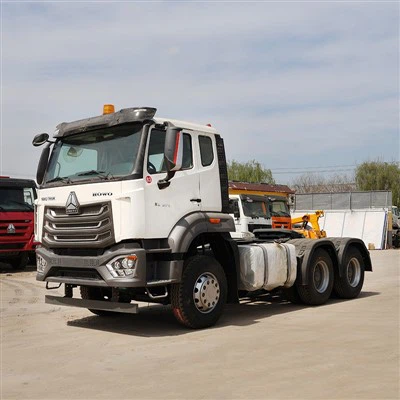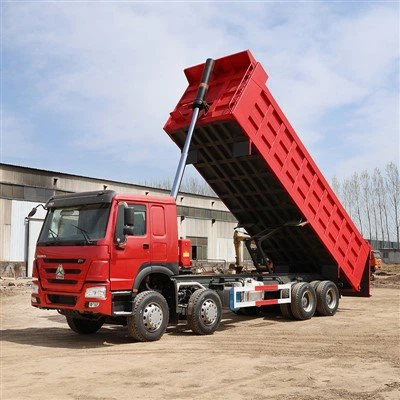

Buying heavy‑haul equipment takes practical thought beyond just sticker price. Many small‑scale contractors and project managers pick a HOWO unit for its well‑known toughness across construction, quarry and earth‑moving jobs. If you are shopping for your first or replacement work vehicle, these real‑world points will guide you to make a smarter investment.
Match axle and payload to your daily work
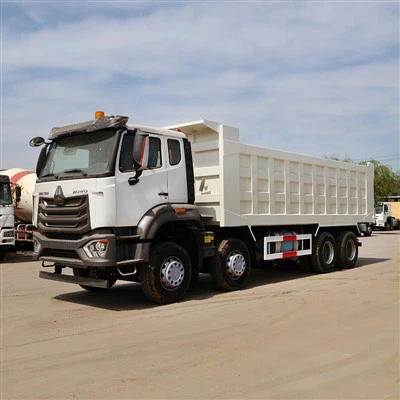
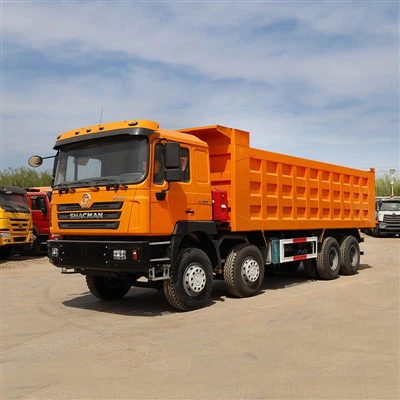
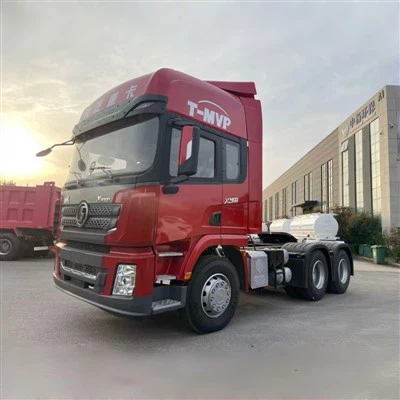
Before comparing prices, write down what material you haul most days. Sand and soil place different stress than heavy rock, and axle setup directly limits safe load weight. The popular 6×4 layout suits most general building sites, while 8×4 handles higher payload for mining zones. Never push beyond the factory‑stated payload rating; overloading wears out suspension, brakes and chassis far faster. When you test a unit, imagine your typical full‑load cycle, not just empty‑road driving. This simple check keeps your dump truck running reliably month after month.
Inspect engine, cooling and hydraulic lifting parts
Engine health defines long‑term running costs. On‑site buyers should run a cold start test. Watch exhaust smoke; blue smoke often signals oil‑burn issues, while irregular knocking points toward worn internal components. Check oil leaks around gaskets and turbo joints - minor stains are normal for used units, but fresh wet leaks need fixing before purchase.
Pay extra attention to the hydraulic lifting system. Slow lifting, jerky movement or fluid leaks on cylinders mean expensive downtime later. A fully functional system should raise and lower the cargo box steadily under weight. Many operators skip this quick hands‑on check and face costly repairs weeks after bringing their vehicle home.

Check body quality and local parts support
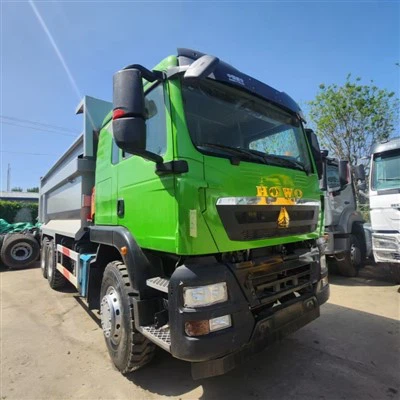
The metal cargo box sees constant scraping and impact. Look for deep dents, cracked welds or thin floor plates. U‑shaped boxes work great for loose fill materials, while reinforced square bodies hold up better against sharp rock fragments. Even solid machinery becomes useless if you cannot source spare components locally. Ask local repair shops: can they get filters, brake parts and hydraulic seals for your selected HOWO model? Avoid rare variants with hard‑to‑find components, even if their sale price looks attractive.
Verify compliance and calculate total ownership cost
Do not focus only on upfront payment. Work out fuel use, expected tire replacement cycles and routine service fees. Confirm emission standards fit your region's rules, as non‑compliant trucks cannot register for legal road use. Test brake response across every axle and inspect tire tread wear patterns, uneven wear hints at misaligned steering or damaged suspension parts. A cheaper second‑hand unit can end up far more expensive if it fails local regulatory checks. Take time to go through maintenance records whenever available; documented service history gives you clearer insight into how hard a dump truck has worked in past projects.
A HOWO model delivers strong value when its specs align with your site conditions. Think about daily load types, terrain, part availability and legal requirements rather than making decisions based purely on low asking prices. Spending a few extra hours doing hands‑on checks helps you steer clear of problematic units and secure equipment that serves your projects well for years.