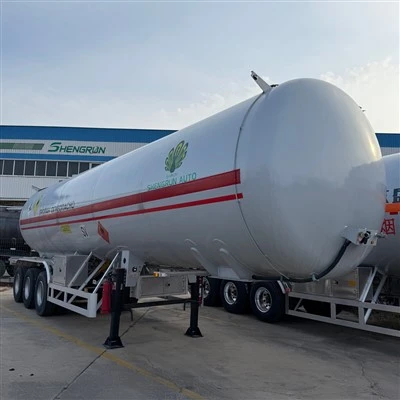

Hey there! I'm a supplier of LPG Tank Semi Trailers, and today I wanna talk about how to handle an LPG tank semi - trailer in case of a collision. It's super important stuff, and I hope this info will be helpful to you.
First off, let's understand the risks. LPG, or liquefied petroleum gas, is highly flammable. When an LPG tank semi - trailer gets into a collision, there's a real danger of leaks, which can lead to fires or even explosions. So, we need to be extra careful and know what to do.
Immediate Actions Right After the Collision
As soon as a collision happens, the driver should quickly assess the situation. If they're okay and can move safely, they need to turn off the engine right away. This helps prevent any potential ignition sources. Also, they should try to set up warning signs around the trailer to alert other drivers on the road.
Next, check for any visible damage to the tank. Look for dents, cracks, or signs of a leak. If there's a leak, it's crucial to stay upwind of the area. LPG is heavier than air, so it can collect in low - lying areas, increasing the risk of ignition.
Contacting the Right People
The driver should immediately call the emergency services. They need to provide accurate information about the location, the type of cargo (LPG), and the extent of the damage as far as they can tell. This helps the emergency responders prepare the right equipment and safety measures.
At the same time, the driver should also contact our company. As the supplier, we have a team that can offer technical support and guidance. We can help assess the situation and decide on the best course of action.
Evacuation and Safety Zones
If there's a significant risk of a leak or explosion, it's important to evacuate the area. The driver and any other people nearby should move to a safe distance. A general rule of thumb is to get at least 500 feet away from the trailer. This creates a safety zone where people are less likely to be affected by any potential fire or explosion.


Dealing with Leaks
If a leak is detected, it's a very serious situation. The emergency responders will use special equipment to try and stop the leak. They might use foam to cover the leaking area, which helps to suppress the flammable vapors. In some cases, they may need to isolate the leak by closing valves or using other techniques.
Post - Collision Inspection and Repair
Once the immediate danger is over, a thorough inspection of the LPG tank semi - trailer needs to be done. This inspection should be carried out by qualified technicians. They'll check the tank for structural damage, the integrity of the valves and fittings, and any other components that may have been affected by the collision.
If the damage is minor, the trailer may be repaired. However, if the damage is severe, it may need to be replaced. As a supplier, we can offer repair services or provide a new trailer if needed.
Preventive Measures
Of course, the best way to handle a collision is to prevent it from happening in the first place. Regular maintenance of the LPG tank semi - trailer is crucial. This includes checking the tires, brakes, and all the mechanical components. Drivers should also be well - trained in safe driving practices, such as maintaining a safe following distance and being aware of their surroundings.
Now, if you're in the market for a high - quality LPG Tank Trailer, you can check out our LPG Tank Trailer on our website. We also offer other types of tank semi - trailers, like the Cement Tanker Trailer and Tanker Semi - trailer.
If you have any questions or are interested in purchasing a trailer, don't hesitate to reach out. We're here to help you make the right choice for your needs.
References
- Department of Transportation (DOT) regulations on hazardous materials transportation
- Industry standards on LPG tank semi - trailer safety
- Emergency response guidelines for LPG incidents