
A truck does not usually break down without warning. In many cases, there are small signs beforehand: an unusual engine sound, a slow air leak, uneven tire wear, or a temperature reading that keeps rising.
The problem is that drivers and fleet managers are often busy. When delivery schedules are tight, a small issue can easily be put off until the next service appointment.
For companies operating heavy-duty trucks, a simple inspection routine can prevent many avoidable repairs. Here are some areas worth checking regularly.
Start With the Engine
Engine oil should never be treated as something to change only when the truck starts showing problems.
During operation, oil gradually loses some of its protective properties. Dirt and other particles also build up over time. If oil changes are delayed, engine components may experience unnecessary wear.
Check the oil level regularly and follow the service intervals recommended for the specific engine. Replace the oil filter at the appropriate time as well.
The air filter deserves attention, particularly for trucks working on dusty roads. A dirty filter can restrict airflow and affect engine operation.
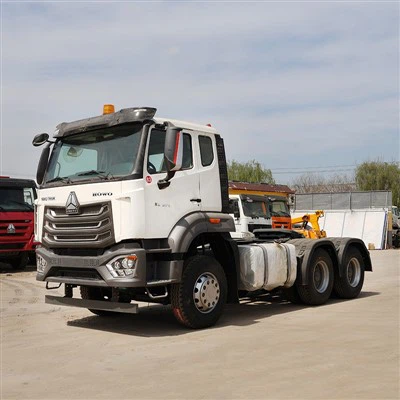
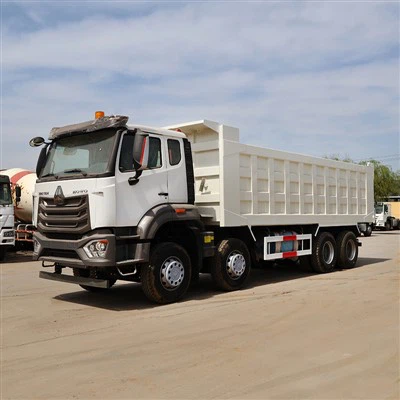
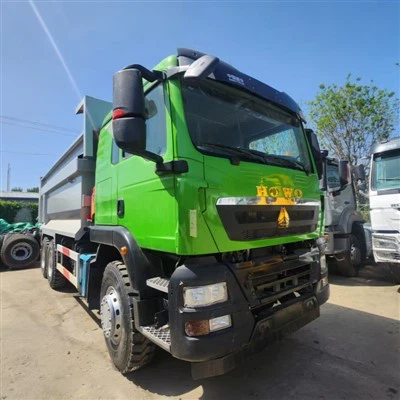
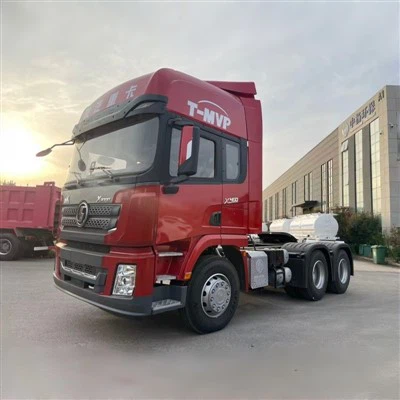
For a HOWO Prime Mover, always use the maintenance specifications for the actual engine installed. Different engine versions may have different service requirements.
Watch the Cooling System
Overheating is one of those problems that can quickly turn a normal working day into an expensive workshop visit.
Check coolant levels, radiator condition, hoses, and visible connections. If you notice a leak or the temperature gauge starts behaving differently, have the system inspected.
This is especially important during summer or when trucks frequently carry heavy loads through mountainous areas.
Cleaning dust and debris from the radiator area is also a simple task that should not be overlooked.
Tires Tell You More Than You Think
Take a look at the tires before a long trip. Are they wearing evenly? Is the pressure correct? Are there cuts, cracks, or objects stuck in the tread?
Uneven wear can sometimes indicate a problem with wheel alignment, suspension, or load distribution.
Tire pressure should be checked according to the manufacturer's recommendations and the actual operating load. Guessing by appearance is not reliable.
Do Not Wait Until the Brakes Feel Different
Drivers should report unusual brake noises, changes in pedal response, or warning indicators as soon as they appear.
Maintenance staff should inspect brake linings or pads, air lines, connections, and other components according to the service schedule.
A truck used for frequent downhill driving may need particular attention to brake condition. Drivers should also know when to use the available auxiliary braking systems.
Keep a Record of Every Repair
A maintenance notebook or digital service record can save a lot of time.
Write down the mileage, service date, replaced parts, and problems found during inspections. If the same issue keeps appearing, the records make it easier to identify a pattern.
For companies operating multiple HOWO Prime Mover units, these records are also useful when planning workshop schedules and ordering spare parts.
A Small Inspection Can Save a Trip to the Workshop
Maintenance does not have to be complicated. Check the important components regularly, listen to what drivers report, and do not ignore small changes in vehicle behavior.
One thing worth remembering: a maintenance schedule is a guide, not a reason to ignore an obvious problem. If something does not look or sound right, have it checked.
For transport businesses, keeping a truck on the road starts with taking care of it before something goes wrong.