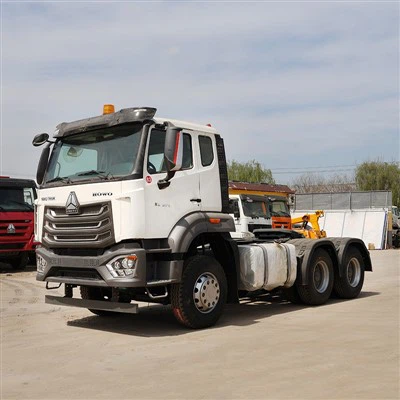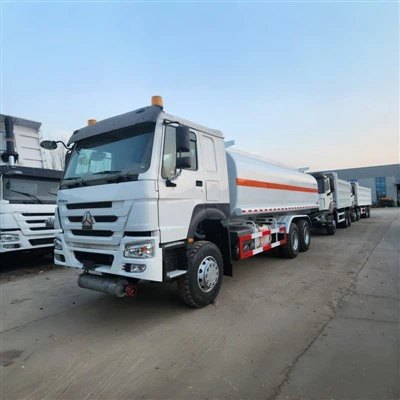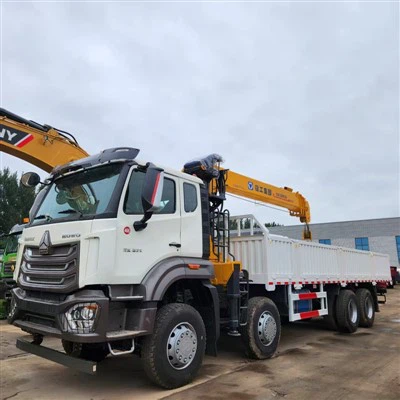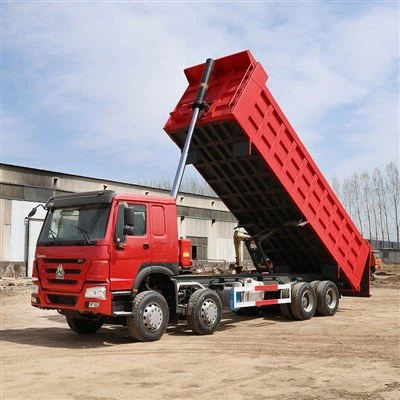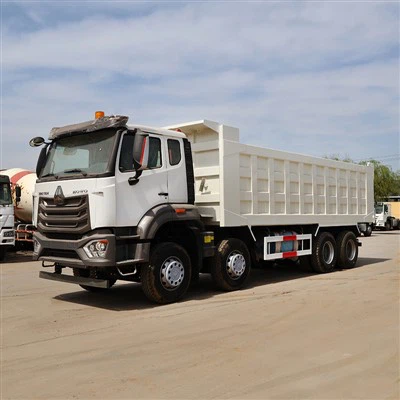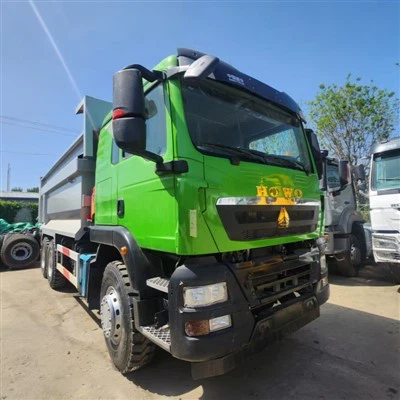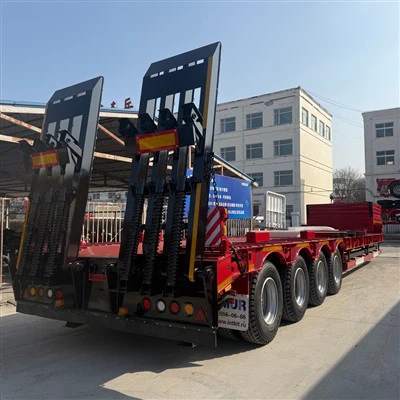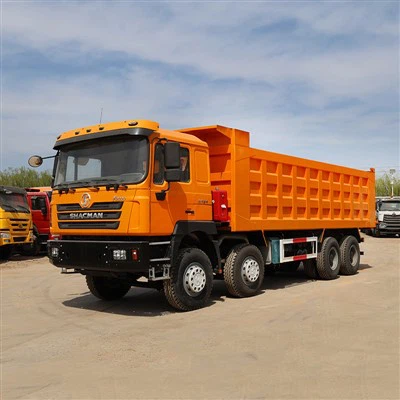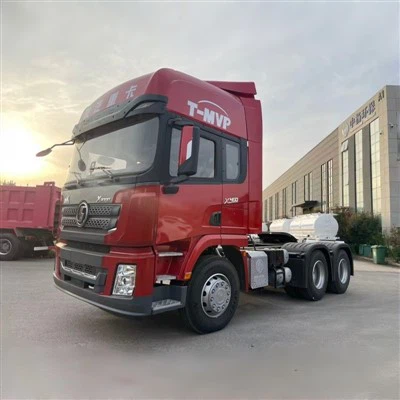

A tractor unit may look in perfect condition while parked on the factory yard. What really matters is how it performs once hitched to a loaded trailer and put to work.
That's why our inspection of the HOWO T7H 6×4 LNG tractor truck covers the brake system, steering assemblies, suspension and overall driving performance. These are exactly the areas fleet operators need to go over before rolling a new truck into regular service.
Brake System Inspection
Consistent braking performance is critical for heavy trucks, especially when running with trailers.
During inspection, we check accessible brake components and air line connections, looking for visible damage, loose fittings and any signs of air leaks. Functional brake tests must be carried out with proper tools and following standard procedures.
Overseas buyers would be well advised to lock in the brake specification before placing an order. Requirements vary from one export market to another, and also depend on what type of trailer will be used.
Steering and Suspension
We check the steering system for slack connections and visible damage.
Inspection also extends to suspension parts, axle mounting points and wheel fitment. These components directly shape how the tractor handles uneven road surfaces and shifting loads.
Tires deserve careful checks too. Uneven tread wear, incorrect inflation pressure or cracked sidewalls will only lead to avoidable repair bills down the line.
Don't sign off on a new truck just because it looks clean on the outside. Buyers need to dig into these mechanical details.
On-Road Performance Assessment
Where road testing is included in the inspection scope, the truck can be evaluated under controlled test conditions.
We observe startup behaviour, acceleration, steering feedback, brake feel and any unusual vibration. Test findings should be logged objectively instead of relying on vague descriptions such as "great performance" or "excellent handling".
For fleet managers, hard inspection records are far more helpful when comparing trucks supplied by different vendors.
Matching the Truck to Your Route
The HOWO T7H 6×4 LNG tractor is built for heavy haulage. Even so, it is not automatically the right fit for every operation.
If you haul bulk materials, industrial cargo or general freight, factor in trailer gross weight, local road conditions, daily mileage and the availability of LNG refuelling stations along your routes.
LNG can deliver running-cost savings in certain regions. In other markets, diesel or electric trucks may make more practical sense. The final call should be based on local operational data rather than guesswork.
Final Checks Prior to Shipment
Before the truck leaves the supplier's premises, buyers should verify that the actual vehicle matches their order.
This covers engine specs, transmission, axle setup, tire specifications, LNG system layout and all export documentation. It is also wise to keep photos and inspection reports of the specific unit.
For importers and fleet operators, these checks confirm what is being shipped and serve as reliable reference once the truck arrives at destination. Judge the HOWO T7H by its real-world configuration and inspection results, not just the figures printed in a product catalogue.